Jongno, Insadong, Ikseon-dong, Bukchon, Samcheong-dong and Gwanghwamun. Palaces and hanok alleys, with the restaurants people walk to between them: ginseng chicken soup, knife-cut noodles and market stalls.
Ikseon Aetteut sits in Ikseondong, about 130 m from Jongno 3-ga Station, and is listed on DiningCode for ssambap and beef galbi. The menu runs from pork ssambap and bibimbap to marinated beef galbi and kimchi pancakes, and reviewers most often call it pretty, clean and casual, with a good view.
START WITHGang-doenjang ssambap · lettuce wraps with rice and thick soybean-paste pork
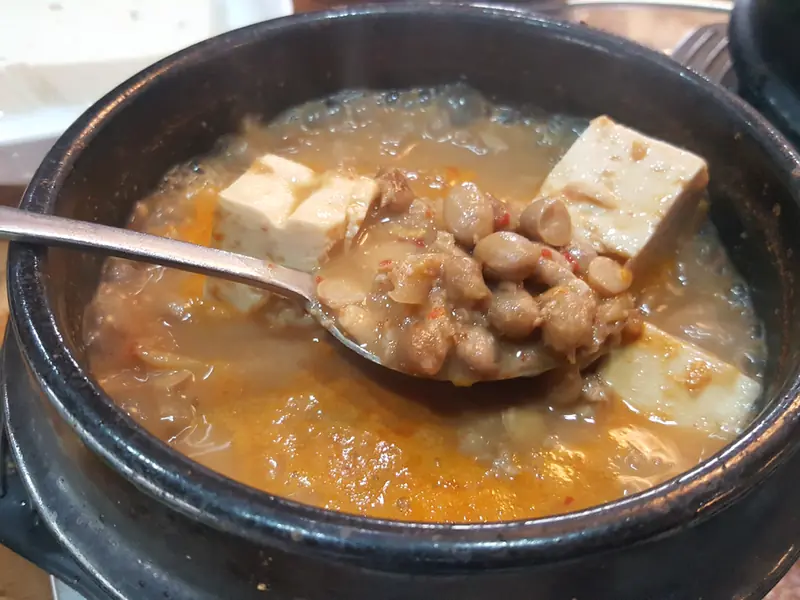
Ttukbaegijip is a small stew restaurant near Jongno 3-ga serving four stews in earthenware pots: snail doenjang, plain doenjang, soft tofu and kimchi stew, all priced ₩8,000–₩9,000. DiningCode reviewers most often describe it as unpretentious, good value and popular with locals.
START WITHUreong Doenjang · soybean paste stew with freshwater snails
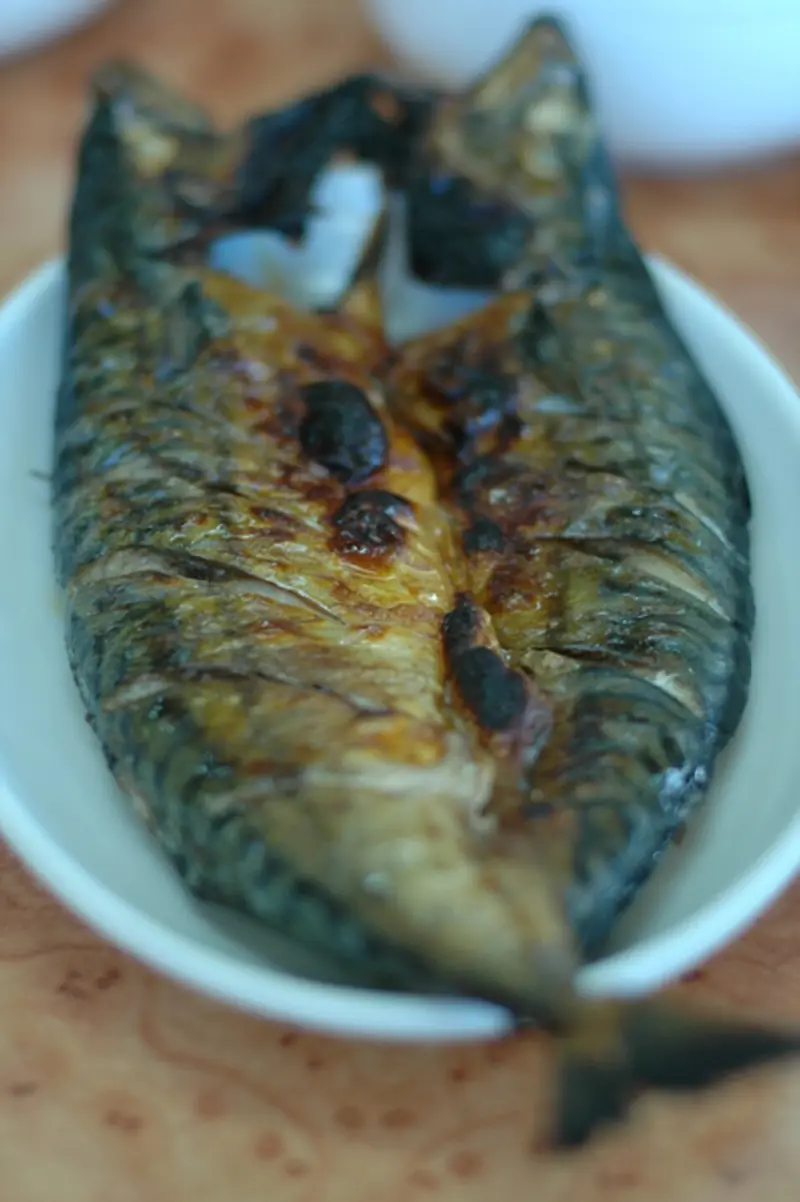
Doma in Insadong is listed on DiningCode for sotbap, rice cooked in an individual pot, and doenjang jjigae. Set meals pair the rice with charcoal-grilled galbi, Iberico pork neck, chicken thigh or mackerel. Reviewers most often call it lively, clean, a lesser-known local pick and casual.
START WITHSotbap · rice cooked to order in a stone pot
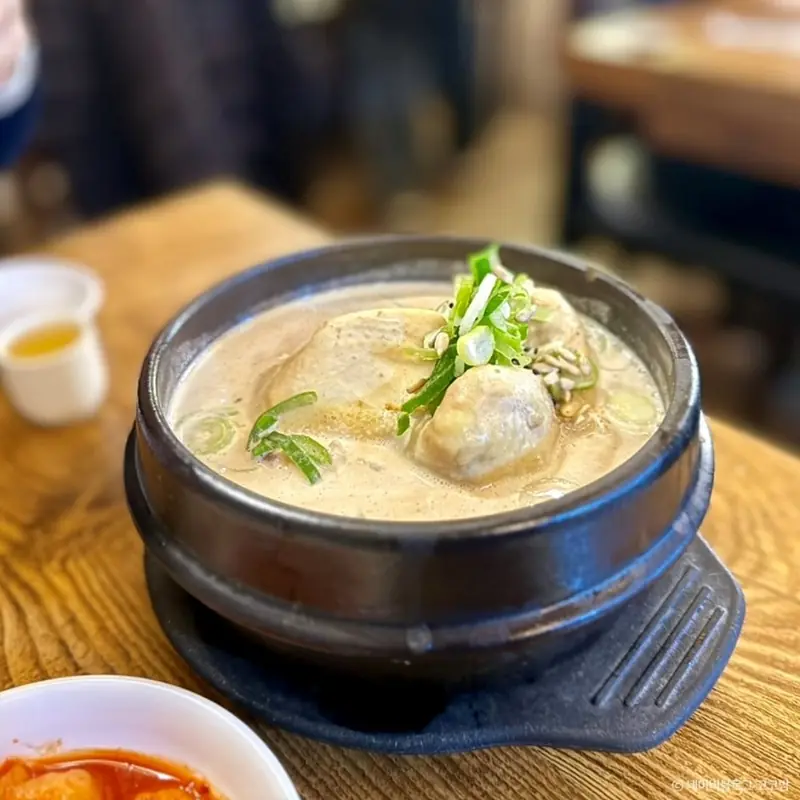
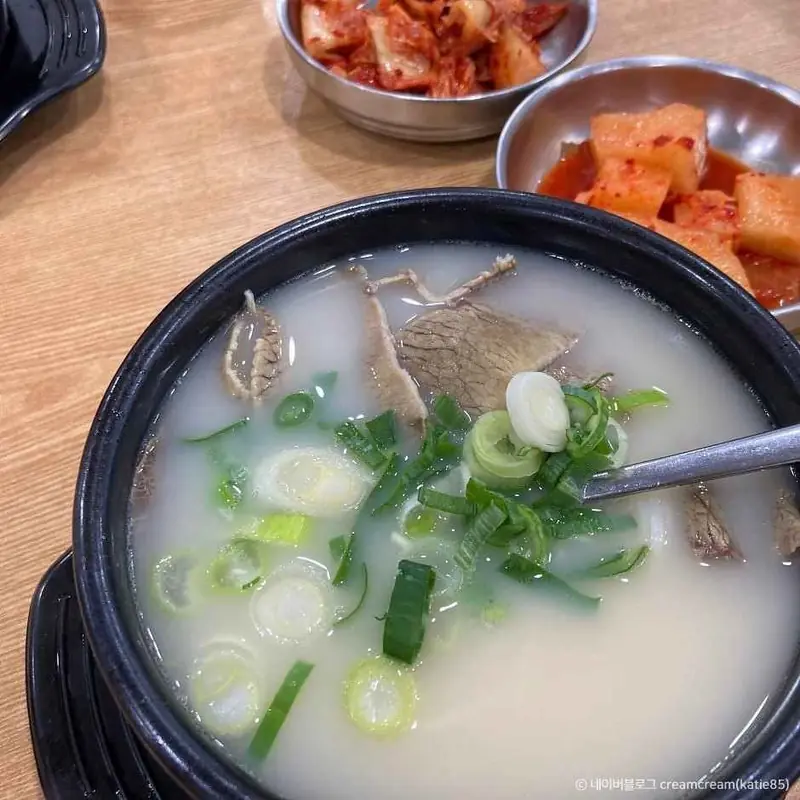
Pair a visit to Gyeongbokgung Palace with a warming bowl of chicken soup. The traditional hanok setting makes this an inviting introduction to Korean comfort food.
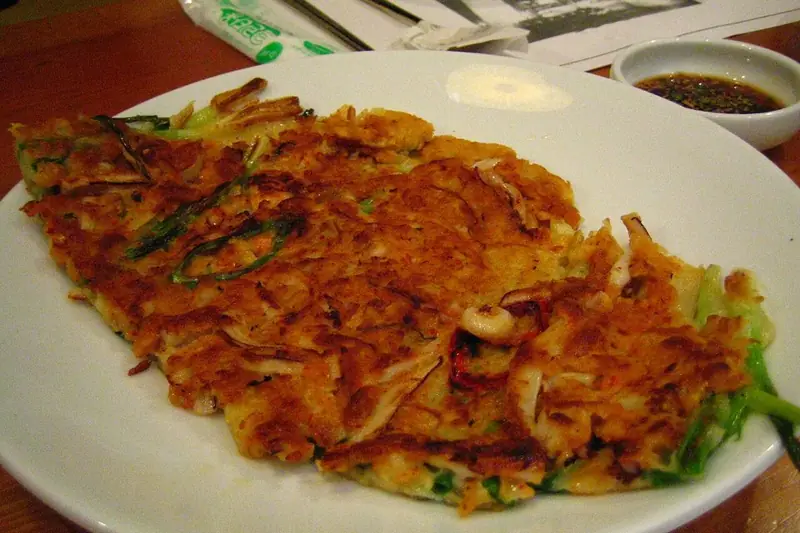
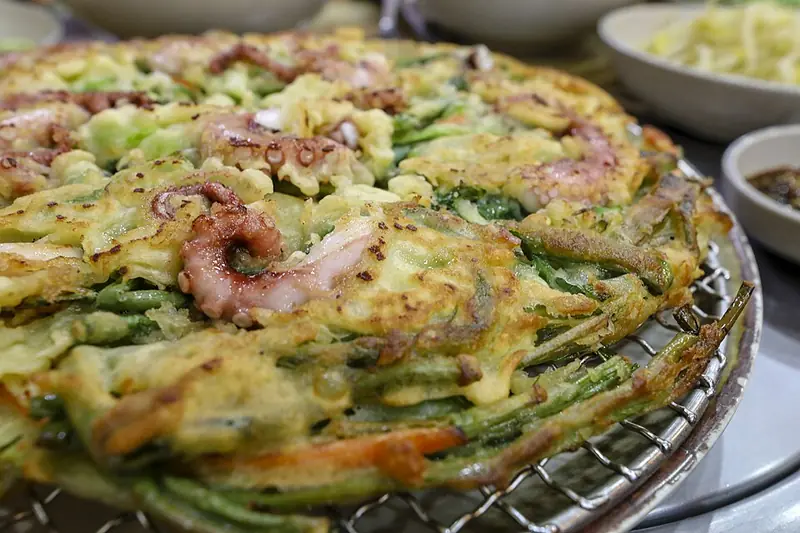
One of the best-known pancake stalls inside Gwangjang Market, a covered market that has fed Seoul since 1905. Sit at the counter, watch the pancakes fry a few feet away, and eat on a stool the way market regulars do.
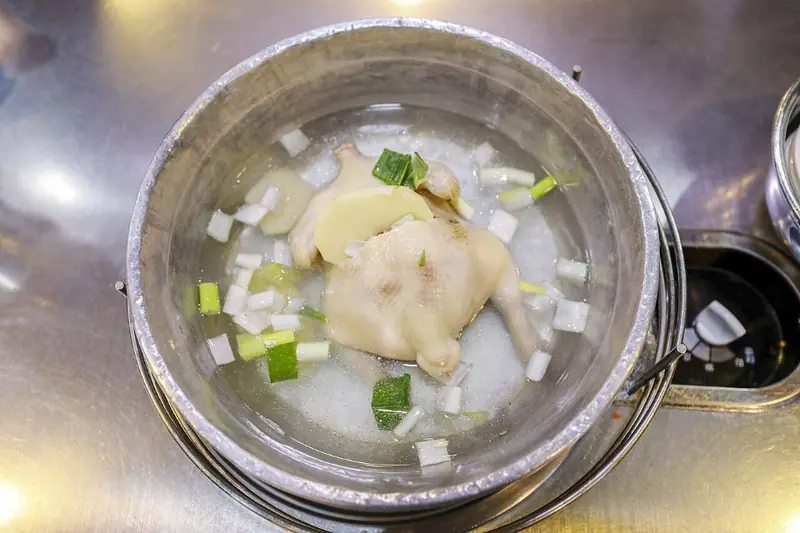
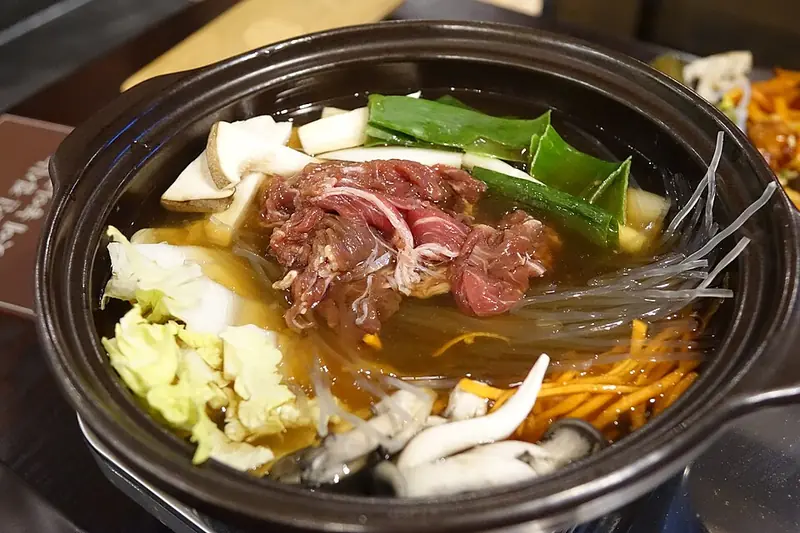
Jinokhwa opened in 1978 and is one of the founding restaurants of the alley now called Dak-hanmari Golmok, where whole chickens simmer tableside in a shallow pot of broth. It's a communal, cook-it-yourself meal that rewards a small group with time to linger.
Hayan Gorae's main Jonggak restaurant is listed on DiningCode for jeotgal (salted seafood) and ssambap. The one-person jeotgal ssambap set costs ₩18,000, with extras such as boiled pork (100 g, ₩10,000), grilled mackerel and spicy braised fish roe; DiningCode reviewers most often describe it as clean, generous and down-to-earth.
START WITHJeotgal ssambap · leaf wraps with rice and salted seafood
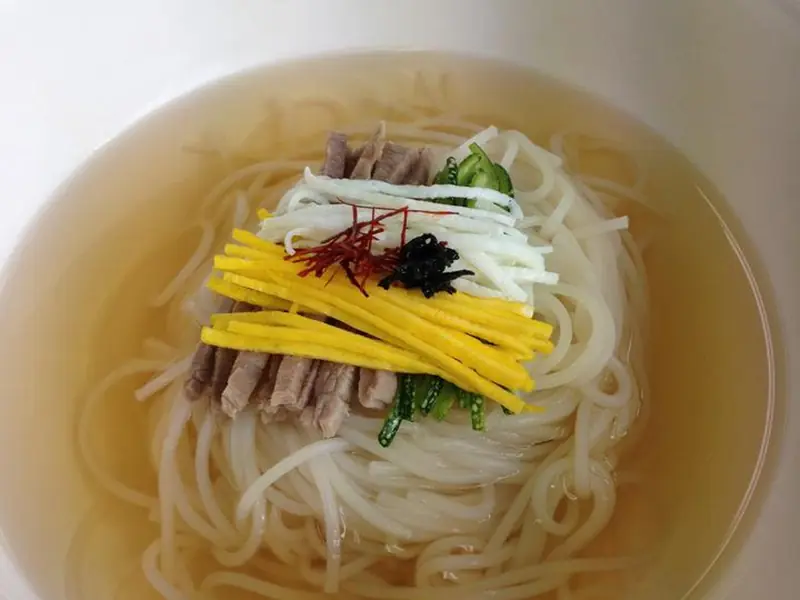
A Korean restaurant in Ikseon-dong centred on onban, rice served in a warm broth, alongside soy-sauce suyuk (sliced boiled pork), dumplings, perilla-oil buckwheat noodles and samgyetang. DiningCode reviewers most often describe it as upscale, with a good view, clean and quiet.
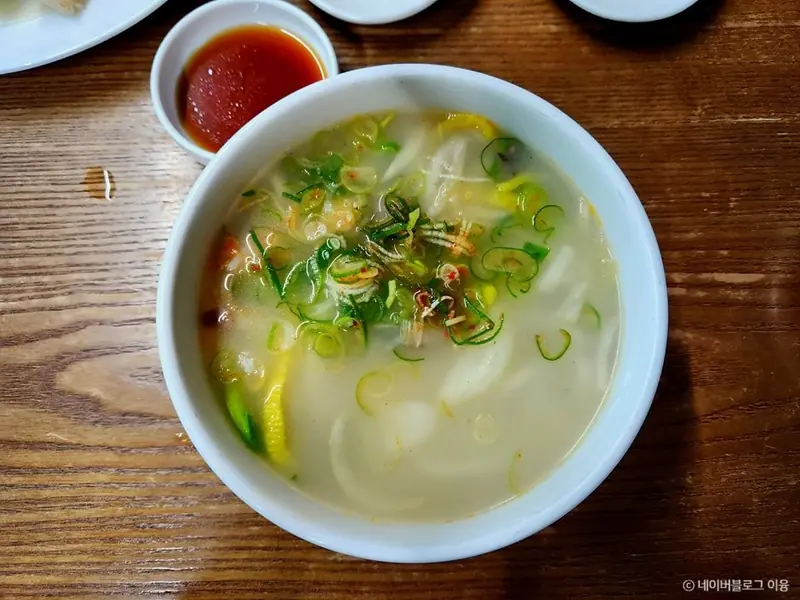
START WITHOnban · warm rice in clear broth with toppings
Hyehwa Dodam is about 180 m from Hyehwa Station and is listed on DiningCode for kimchi-jjim and makgeolli. The menu centres on kimchi-jjim and braised pork ribs in shareable sizes, plus a green onion pancake, and reviewers most often call it down-to-earth, casual, lively and popular with locals.
START WITHKimchi-jjim · braised aged kimchi with pork
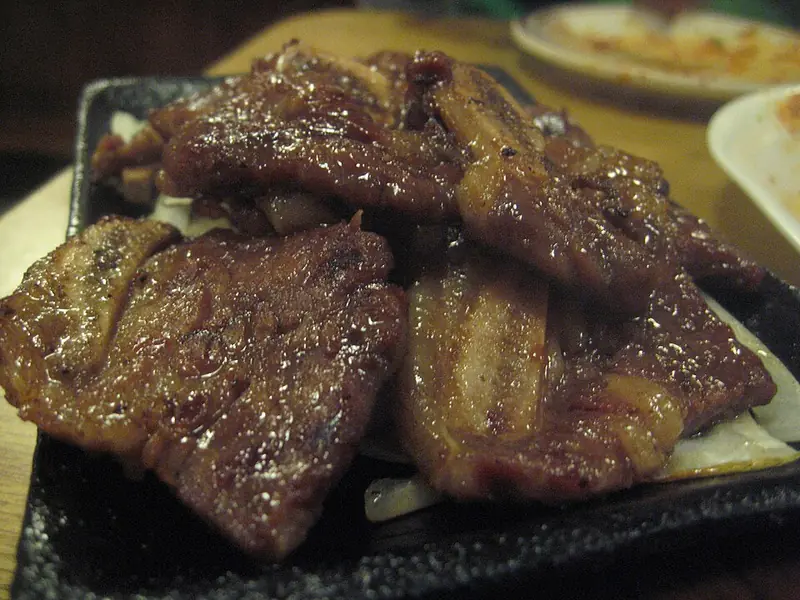
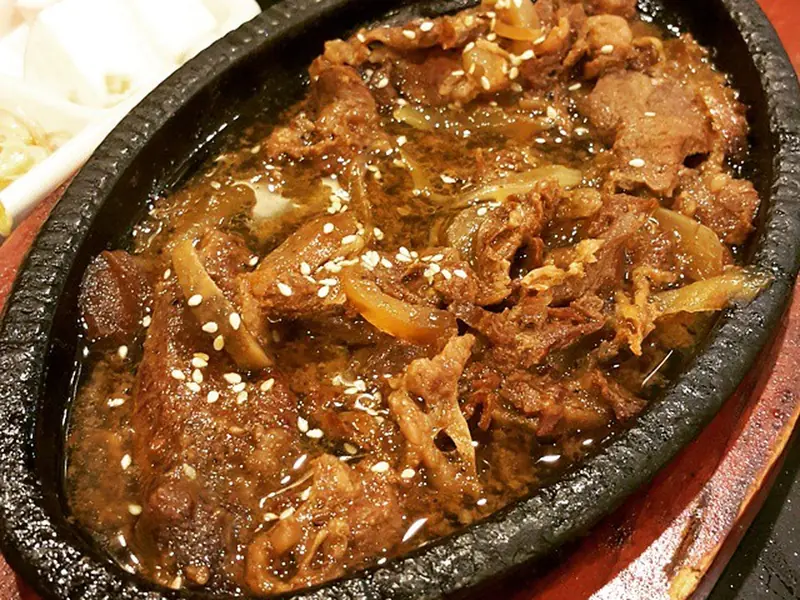
Gwanghwamun Seokgalbi's D Tower branch, about 190 m from Gwanghwamun Station, serves pork and beef stone-plate grills, 1++ hanu striploin on a tabletop brazier, a large galbitang, hanu yukhoe bibimbap and a cheese potato pancake. DiningCode reviewers most often describe it as clean, upscale, formal and casual.
START WITHSeokgalbi · meat grilled on a hot stone plate
Sujeong Sikdang, near Jongno 3-ga, is listed on DiningCode for jeyuk ssambap, rice and pork eaten wrapped in leafy greens. The menu also offers 150 g portions of pork belly, pork jowl and pork neck, plus soy-marinated crab and abalone. Reviewers most often describe it as unpretentious, good value and lively.
START WITHJeyuk Ssambap · spicy stir-fried pork with rice and leafy wraps
Milgwabori in Gye-dong, near Anguk Station, is listed on DiningCode for minari-jeon and gondeure-bap. Minari, potato and kimchi pancakes are ₩12,000 each, gondeure rice is ₩11,000 per person (minimum two), and there is also clam kalguksu and spicy braised chicken; DiningCode reviewers most often call it down-to-earth, casual and popular with locals.
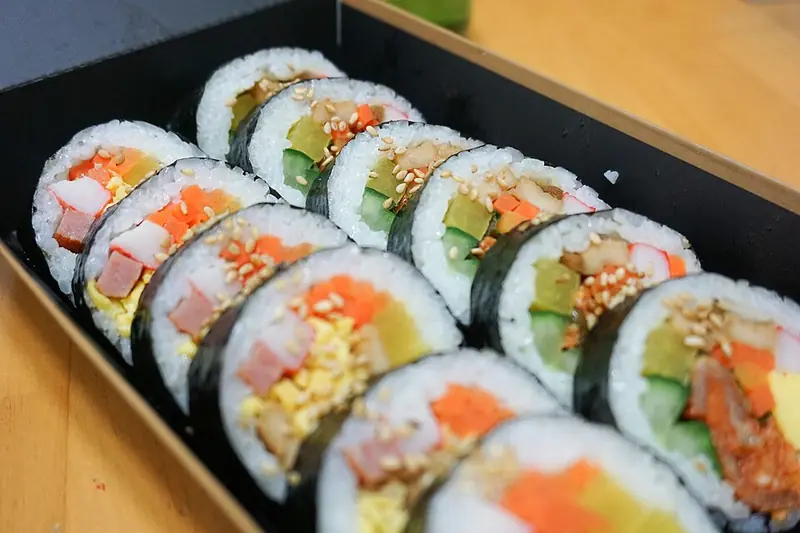
This Gwangjang Market stall, about 220 m from Jongno 5-ga Station, is listed on DiningCode for gimbap and japchae. The short menu covers japchae gimbap, cheese-tuna gimbap, a set of rolls, fish cake and japchae, and reviewers most often call it down-to-earth, good value, lively and casual.
START WITHJapchae gimbap · rice roll filled with glass-noodle japchae
Oiji, next to Hyehwa Station in Daehangno, is listed on DiningCode as a fusion Korean restaurant. The menu runs from perilla oil noodles with brisket and pollock roe cheese soft tofu to black sesame cream sujebi, sukiyaki and chashu kimchi rice bowls, and a crispy cheese potato pancake. Reviewers most often call it casual, clean, pretty and lively.
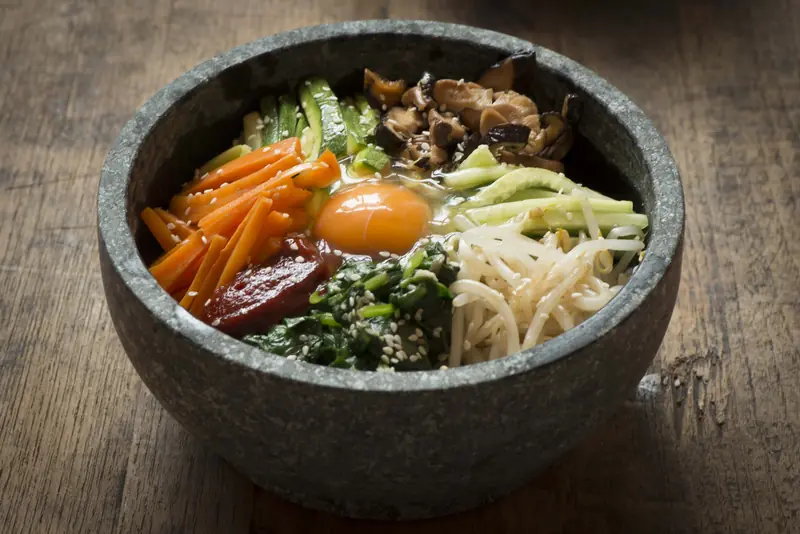
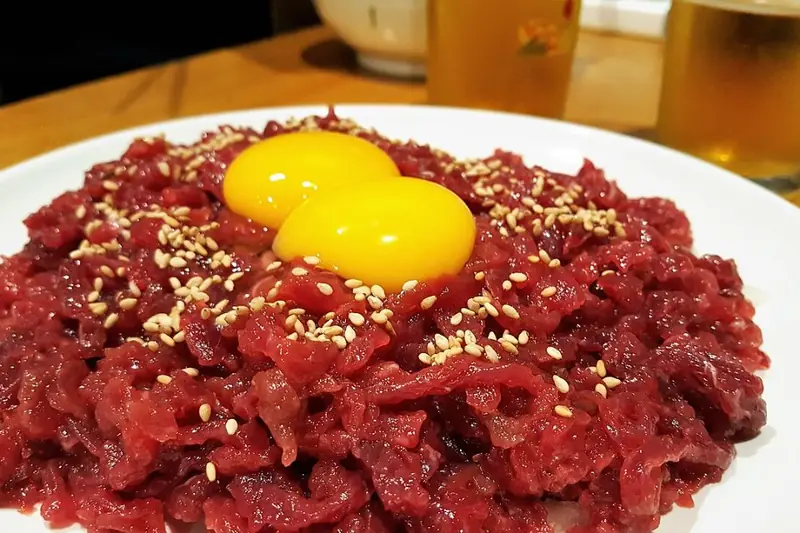
This annex sits by Gwangjang Market and is listed on DiningCode for yukhoe, Korean seasoned raw beef, and yukhoe bibimbap. The menu also offers live octopus tartare, raw beef sashimi, and liver and tripe. Reviewers most often describe it as down-to-earth, lively, casual and good value.
START WITHYukhoe bibimbap · rice bowl topped with seasoned raw beef
A small home-style restaurant in Seochon serving rice bowls and simple single plates: beef rice bowl, cockle bibimbap, gondre (thistle) rice, curry and pork-cutlet rice bowls, and udon. Prices sit between ₩9,000 and ₩13,000, which suits a quick meal while walking the area.
A modern Korean dining bar in Ikseon-dong pairing traditional Korean liquor with shareable plates such as bulgogi potato jeon, octopus carpaccio, perilla-cream gnocchi, crab spaghetti and charcoal-scented Hanwoo yukhoe with gim bugak. DiningCode reviewers most often describe it as pretty, clean, quiet and upscale.
START WITHHanwoo Yukhoe · beef tartare with laver chips
Aehorak is in Gye-dong, about 80 m from Anguk Station, and is listed on DiningCode for bossam set meals and aehobak (Korean zucchini) stew. Lunch specials include a bossam set and zucchini stew, while dinner centres on a five-item bossam platter, and reviewers most often call it clean, down-to-earth and casual.
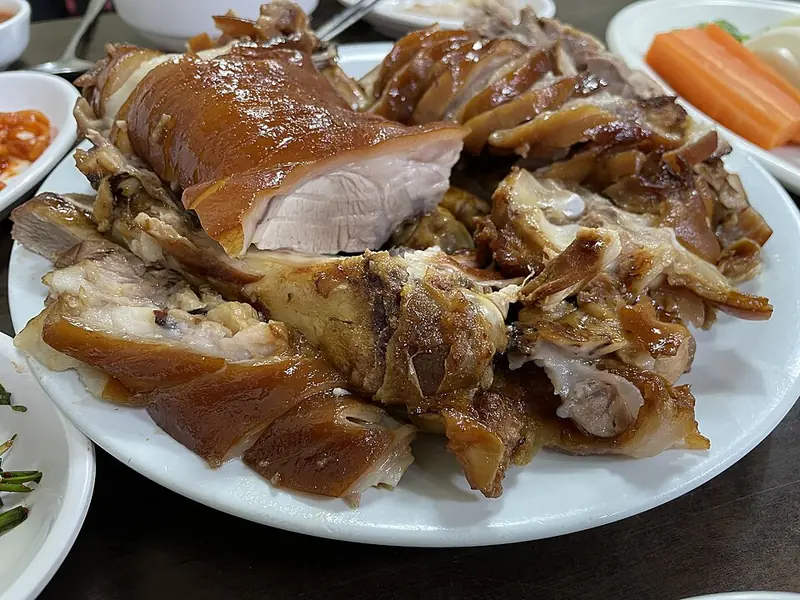
START WITHBossam · boiled pork slices with wraps and side dishes
Dansang is a Korean fine-dining restaurant about 120 m from Anguk Station, on the Bukchon side of Jongno. DiningCode does not list fixed menu prices, so check the current menu before you go. Reviewers most often describe it as quiet, clean, upscale and pretty.
START WITHHansik dining · modern Korean fine-dining menu
First time in KoreaEarly breakfastGroups & sharing
₩6,000 per person
Hours 09:00–22:20
This Gwangjang Market spot, about 100 m from Jongno 5-ga Station, is listed on DiningCode for bindaetteok and yukhoe. The menu pairs mung bean pancakes with beef tartare dishes, mini gimbap and makgeolli, and reviewers most often call it down-to-earth, lively, casual and good value.
START WITHNokdu bindaetteok · mung bean pancake, millstone-ground per the menu
Sabal is in Naesu-dong near Gwanghwamun and is listed on DiningCode for Korean food and noodles. The menu has chicken noodles, a perilla soup noodle with oysters and mushrooms, rice bowls and a pork jowl grill at dinner, and reviewers most often call it clean, upscale and quiet.
Hwangso Gojip in the Jonggak area is listed on DiningCode for gochujang bulgogi and baekban, a rice-and-side-dish set meal. The short menu also has spicy stir-fried pork duruchigi, extra meat and fried rice to finish. Reviewers most often call it down-to-earth, good value, lively and a lesser-known local pick.
START WITHGochujang bulgogi · pork bulgogi in red chili paste sauce
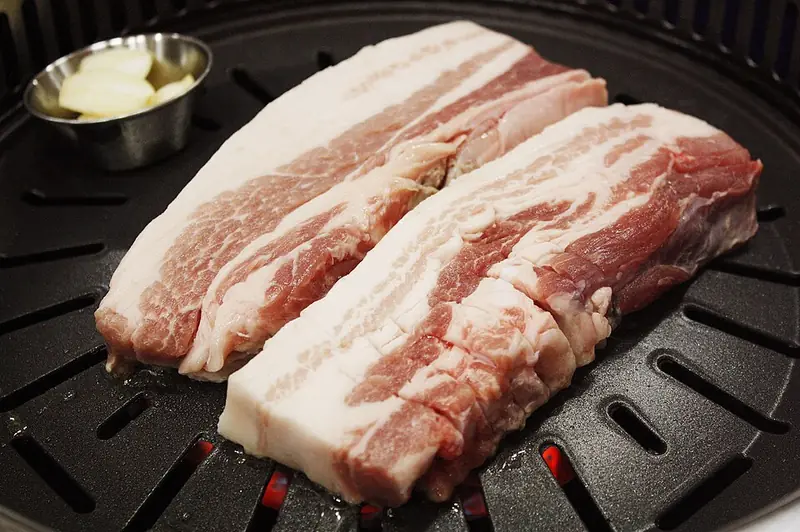
Aino Garden Kitchen near Gwanghwamun is listed on DiningCode for Korean food and tong samgyeop, thick-cut pork belly. Set meals come with leafy greens for wrapping, alongside cockle bibimbap, pork belly bibim guksu, mung bean pancake and pork gukbap, plus soft gelato. Reviewers most often call it clean, casual, pretty and good for the view.
START WITHTong samgyeop ssam jeongsik · thick pork belly with lettuce wraps, set meal
A small home-style restaurant near Hyehwa serving dosirak (Korean lunch-box meals) such as flame-grilled beef bulgogi, apple-gochujang stir-fried pork, tomato braised chicken and a chickpea-tofu curry. DiningCode reviewers most often describe it as an under-the-radar spot that is clean, casual and popular with locals.
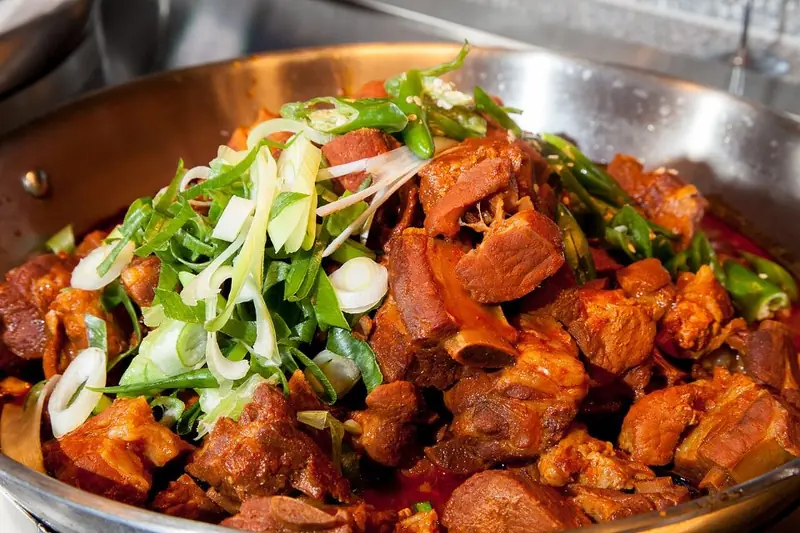
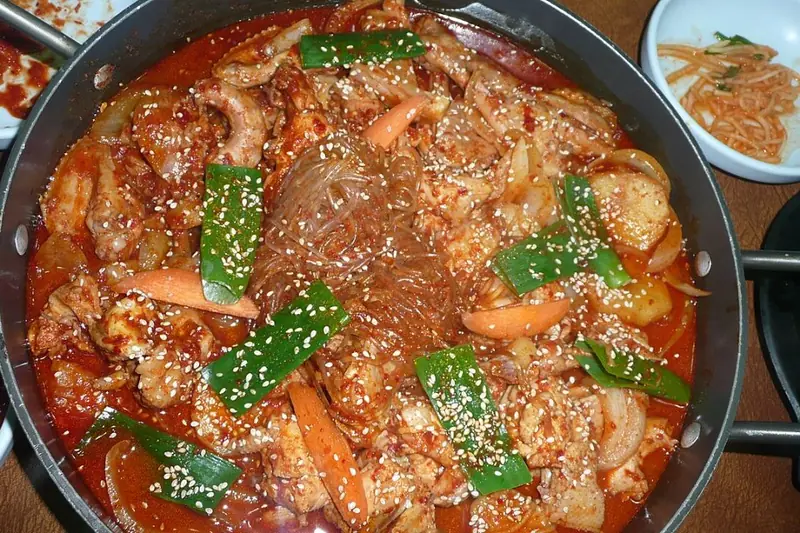
A Jongno 3-ga institution for garlicky, chili-red braised chicken, sized by the pot so groups can order without fuss. The alley has several similarly named competitors, but this original branch is the one longtime locals point to.
START WITHDakdoritang · spicy braised chicken with potatoes
Ilmi Sikdang is near Nagwon Arcade, about 240 m from Jongno 3-ga Station, and is listed on DiningCode for baekban set meals and cheonggukjang. The cheonggukjang set is served for one, while the stir-fry sets are for two, and reviewers most often call it down-to-earth, local and good value.
START WITHCheonggukjang baekban · fermented soybean stew with rice and side dishes
Juyu Byeoljang is in Cheongjin-dong, about 190 m from Gwanghwamun Station, and is listed on DiningCode for fusion Korean food and makgeolli. Dishes for sharing such as potato pancakes, rosé tteokbokki and avocado yukhoe sit beside makgeolli slushies, and reviewers most often call it clean, upscale, quiet and pretty.
Bukchon Kimchijae, about 120 m from Anguk Station, builds its menu around mugeunji (long-aged kimchi): braised ribs, kimchi stew, braised mackerel, pork belly and duruchigi stir-fry, plus braised cutlassfish. Mains run ₩11,000–₩17,000. DiningCode reviewers most often describe it as unpretentious, casual, lively and generous.
START WITHMugeunji Galbijjim · braised ribs with long-aged kimchi
Yukhoe Jamae-jip's Jongno Branch 3 sits by Gwangjang Market and is listed on DiningCode for yukhoe and yukhoe bibimbap. The menu covers yukhoe (₩23,000), yukhoe rice bowls, beef jeon and raw beef sashimi, with Japanese labels on many items; reviewers most often call it down-to-earth, lively, casual and generous.
Modam Dining in Sinmunno, near Gwanghwamun, is listed on DiningCode for hanjeongsik (Korean set meals) and bori-gulbi. Daytime sets include bori-gulbi (₩32,000) and abalone tteok-galbi (₩35,000), with dinner versions priced higher and a Sura course at ₩64,000; DiningCode reviewers most often describe it as upscale, formal, clean and quiet.
Oyang Sikgwan is a Gwanghwamun restaurant listed on DiningCode for kimchi-jjigae and rolled omelette. The whole-pork kimchi duru-jjigae is ₩10,000, and the Oyang set (₩13,000) combines the stew with flame-grilled spicy pork and rolled omelette; DiningCode reviewers most often describe it as down-to-earth, lively and casual.
START WITHKimchi duru-jjigae · pork and kimchi stew
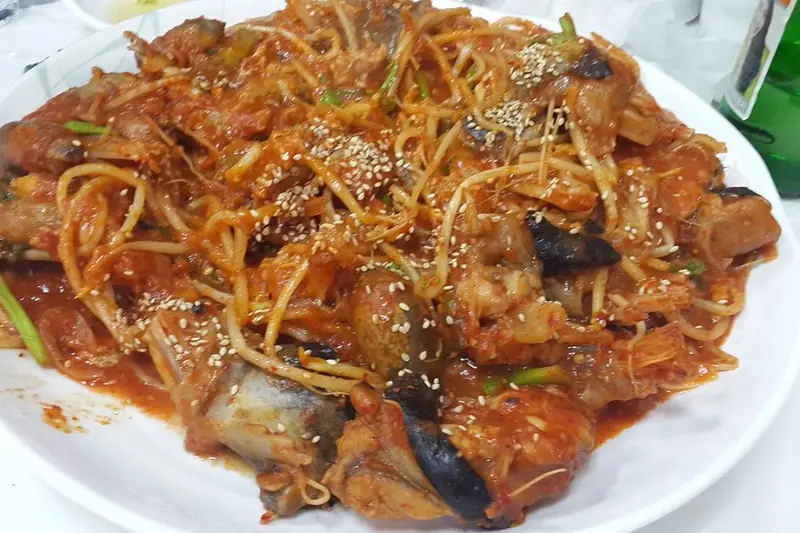
Opened in 1967, this is the restaurant credited with inventing Seoul-style agujjim and starting the whole Nakwon-dong agujjim alley that still surrounds it today. Designated both a Baeknyeon-gakge (century-old business track) and a Seoul Future Heritage site, it remains the benchmark for the dish in the capital.
START WITHAgujjim · spicy braised monkfish with bean sprouts
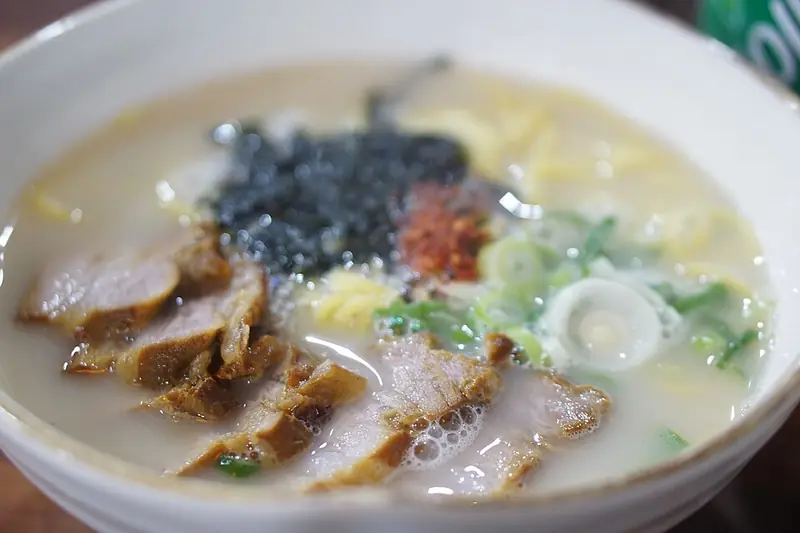
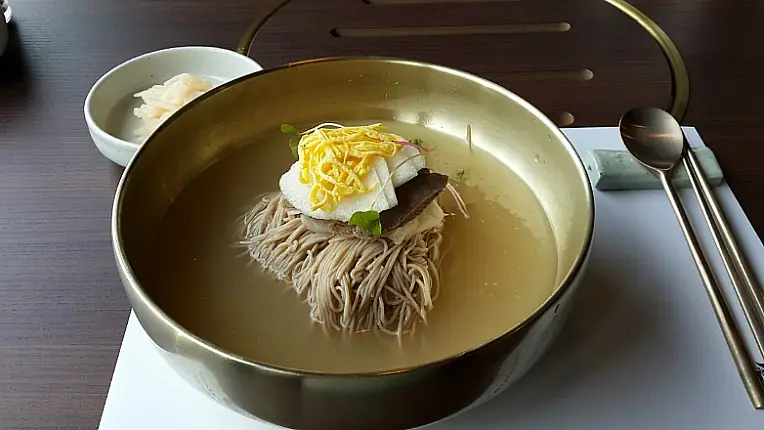
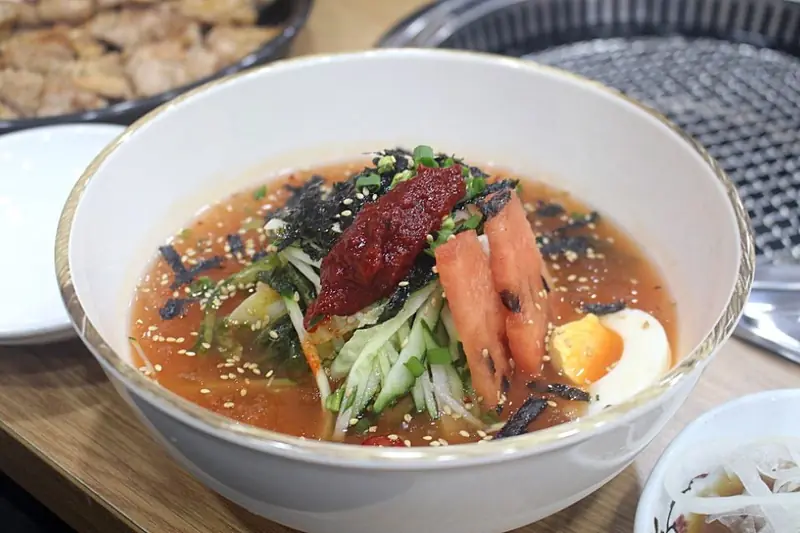
A no-frills diner steps from Jongno 3-ga Station, between Tapgol Park and the Gwangjang Market area. It's a cheap, unfussy way to try mild Pyongyang-style naengmyeon without the wait or price tag of the city's famous noodle houses.
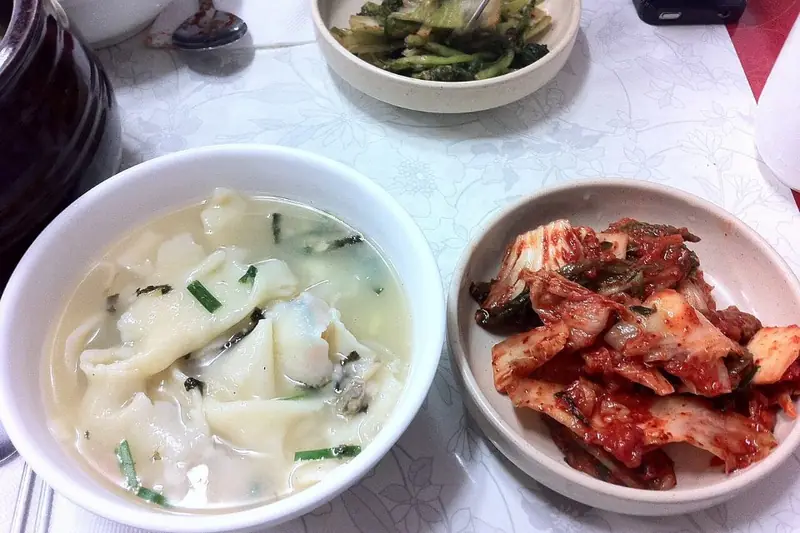
Running since 1982 at the top of the Samcheong-dong hanok slope, this homestyle diner serves a gentle, comforting bowl that has fed generations of visitors to Bukchon and the nearby palace walls. Its nostalgic, low-key dining room feels a world away from the boutiques and cafes that now line the street outside.
START WITHSujebi · hand-torn dough soup in clam broth
A Korean restaurant in the Samcheong-dong area centred on cheonggukjang, a strong-smelling fermented soybean stew served with rice, plus set meals pairing it with braised kodari (half-dried pollack) or pork bulgogi. DiningCode reviewers most often call it down-to-earth, casual, popular with locals and clean.
START WITHCheonggukjang · rich fermented soybean stew with rice
A Gwangjang Market spot that DiningCode lists for bindaetteok, mung bean pancakes ground in a millstone, and for yukhoe. The menu adds meat and seafood pancakes, meatballs, yukhoe gimbap, sundae and tteokbokki. Reviewers most often call it down-to-earth, lively, good value and casual.
START WITHBindaetteok · crispy pan-fried mung bean pancake
A long-running favorite at the quieter, uphill end of Samcheong-dong's café street, popular with locals well before the neighborhood became a tourist stroll. The kimchi noodle soup is refreshingly sour and mild, a good contrast to the sweet-savory grilled rib patties.
What are the best-rated restaurants in Jongno & Insadong?
By Google rating with at least 300 reviews: Ikseon Aetteut (★4.7, 747 reviews), Ttukbaegijip (Earthen Pot House) (★4.5, 1,445 reviews), Doma (Cutting Board) (★4.4, 878 reviews).
Where can I eat late at night in Jongno & Insadong?
Open late: Jinokhwa Halmae Dak-hanmari (10:30–01:00), Banju (Drinks with a Meal) (15:00–23:00).
Which Jongno & Insadong restaurants suit a first visit to Korea?
Easy first stops: Tosokchon Samgyetang, Sunhee's Bindaetteok, Jinokhwa Halmae Dak-hanmari, Gwanghwamun Seokgalbi D Tower branch.
Latest Table Notes
What a Seoul restaurant owner ordered, paid and noticed.