Myeongdong & Jung-gu: 31 restaurants worth the trip
Myeongdong, Euljiro, Namdaemun, City Hall and the rest of Jung-gu. Old-school soup and noodle houses that have fed downtown office workers for decades, within walking distance of the main hotels.
A blowfish restaurant on a side street between Euljiro 1-ga and Myeongdong where the whole menu is bok: clear bok-jiri and spicy bok-maeuntang at ₩28,000, and salt-grilled blowfish, blowfish bulgogi and grilled milt at ₩43,000. DiningCode reviewers mostly describe it as lively, old-school and unpretentious.
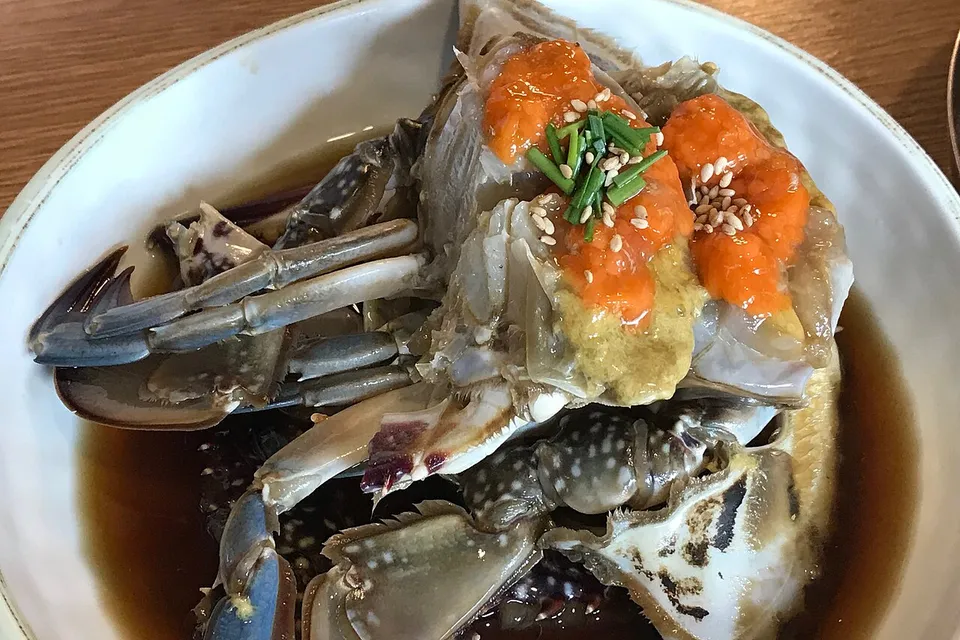
Hangaram serves hanjeongsik-style set meals near City Hall, including a herbal-style (yakseon) soy-marinated crab set, an abalone and braised beef shank set, a bulgogi set and a spicy freshwater-crab hot pot. DiningCode reviewers most often describe it as upscale, clean and generous with portions.
START WITHGanjang-gejang · raw crab marinated in soy sauce, served as a set meal
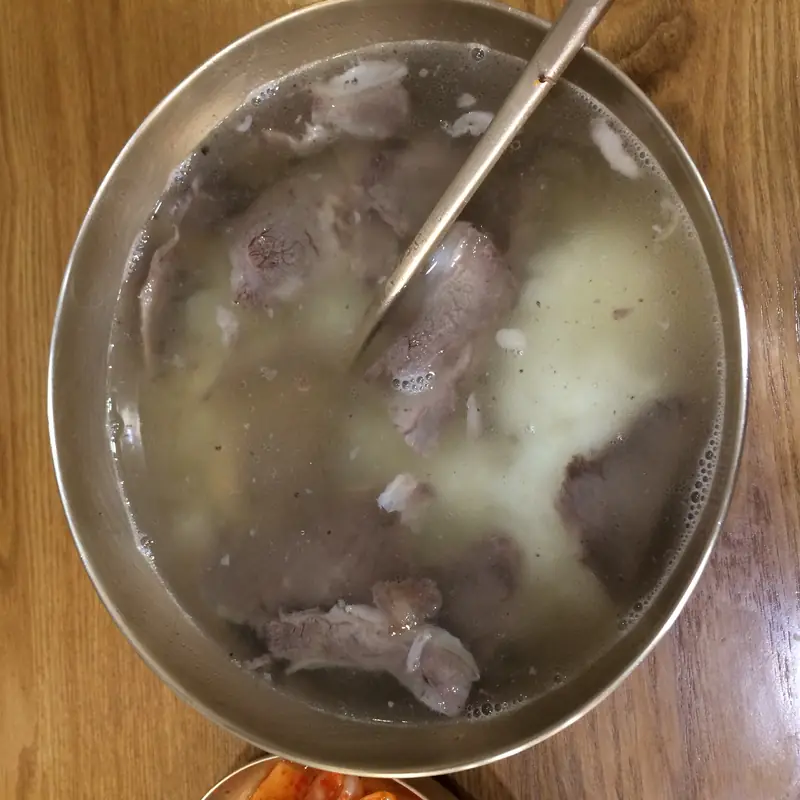
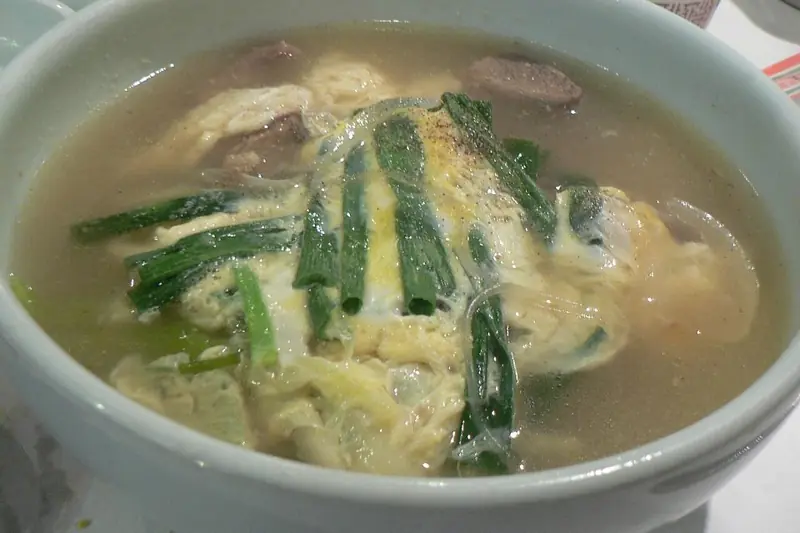
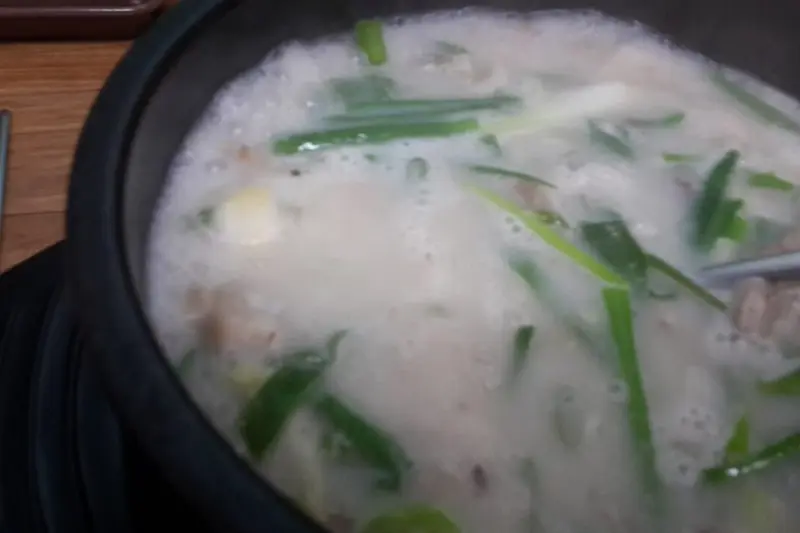
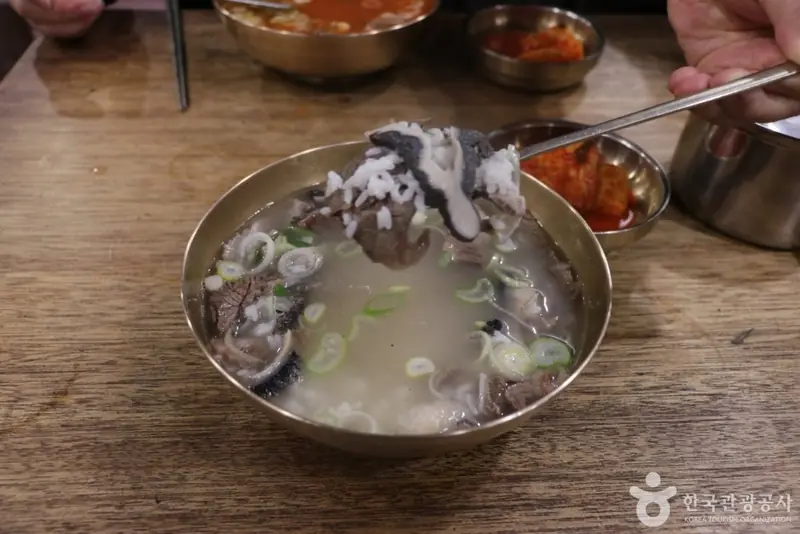
Geumseonggwan Naju Gomtang serves Naju-style gomtang made with hanu (Korean beef) near Namdaemun Market, along with galbitang, pan-fried beef slices and boiled beef platters. DiningCode lists it for gomtang and dongdongju rice wine, and reviewers most often call it unpretentious, casual, generous and popular with locals.
START WITHNaju Gomtang · Korean beef soup served with rice, Naju style
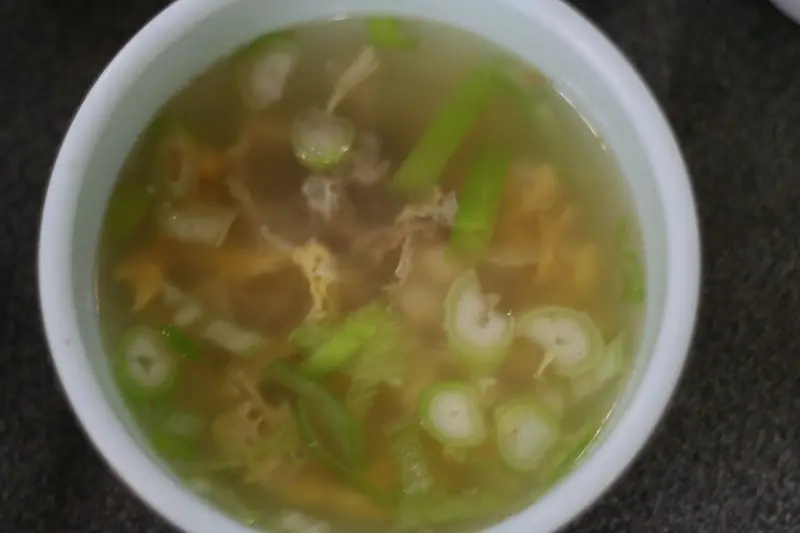
Running since 1968 in the old Mukyo-dong office district, this single-menu restaurant serves the mild, clear pollack soup Seoul office workers turn to as a gentle hangover cure. It opens early and is built for a quick, quiet meal rather than a leisurely dinner.
Groups & sharingFirst time in KoreaNear the sights
₩22,000 per person
Hours 11:00–21:00
A large, bright dining hall in the heart of Namdaemun Market with seating for over a hundred, this spot is built for the market's steady flow of shoppers and tour groups rather than a quiet meal. It's a dependable, filling stop near Seoul Station and the market's kitchenware and fabric alleys.
START WITHWanggalbitang · large-cut beef short rib soup
East Village Seoul, near City Hall Station, is listed on DiningCode for its barley rice set meal. The wider menu includes old-style pork cutlet, whole fried chicken, tofu with spicy pork and kimchi, an LA galbi set, spicy braised chicken and seafood pancake. Reviewers most often describe it as clean, casual, generous and unpretentious.
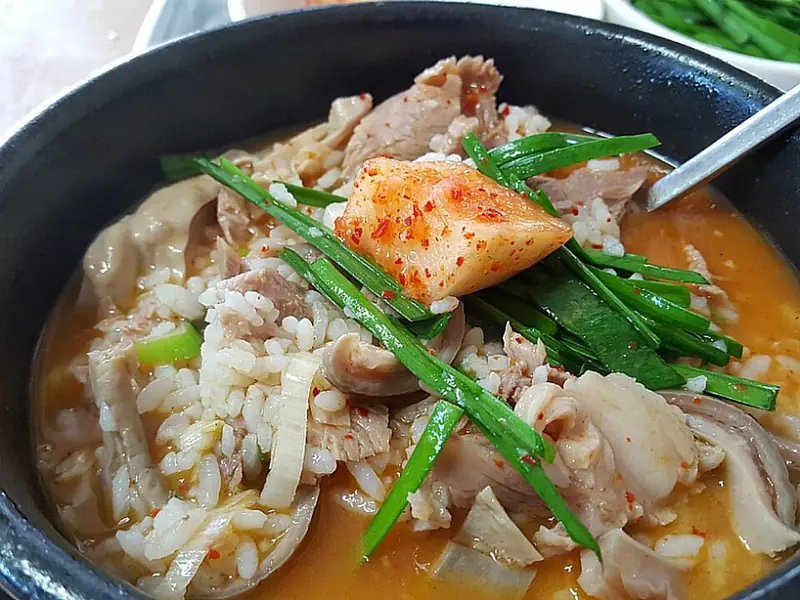
This modern gukbap counter near Gwanghwamun swaps the usual cloudy, Busan-style broth for a clean, clear one closer to old Seoul recipes, and has built a strong local lunch following as a result. It sits a short walk from Gyeonghuigung Palace and the Seochon neighborhood, making it an easy stop between palace-hopping.
START WITHDwaeji-gukbap · clear-broth pork and rice soup
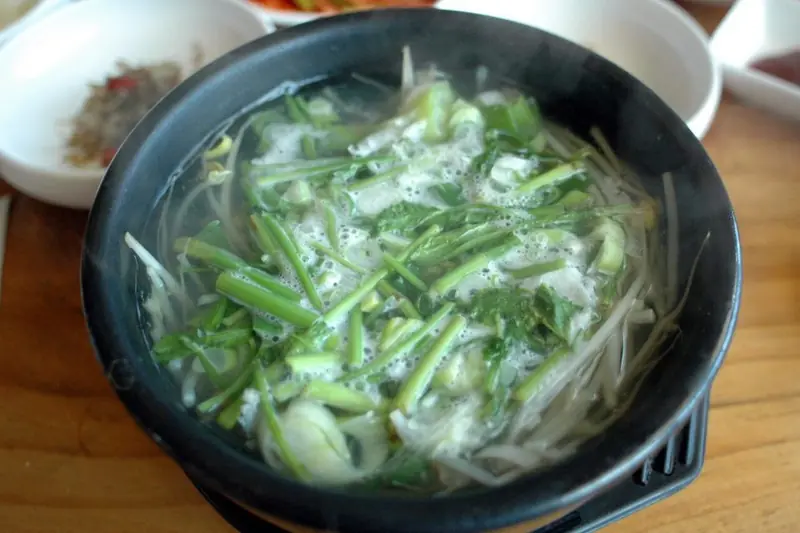
Sunnam Siraegi's Myeongdong branch is listed on DiningCode for siraegi-guk, a soup of dried radish greens, and Korean home cooking. Siraegi-guk comes regular (3-dae) or spicy (eolkeun) at ₩11,000 each, with boiled-pork and cockle set meals at ₩13,000; DiningCode reviewers most often call it down-to-earth, casual, generous and good value.
START WITHSiraegi-guk · soup of dried radish greens
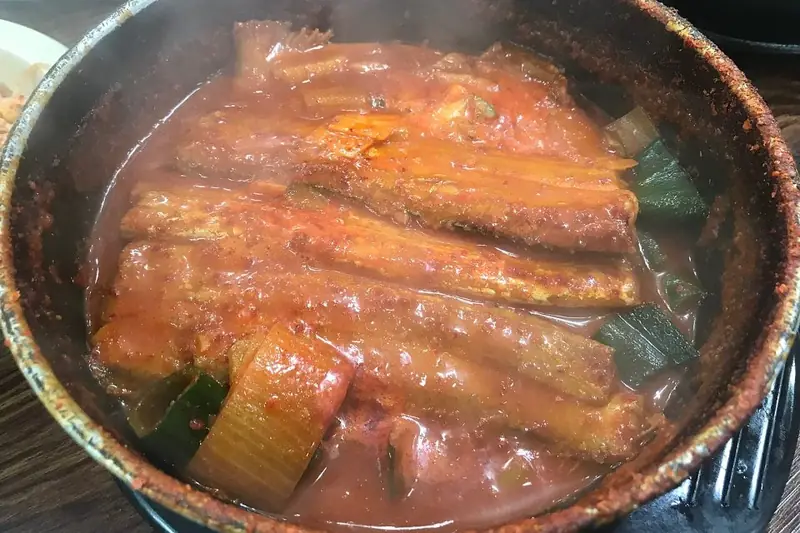
A market eatery in Namdaemun Market serving braised and grilled fish with rice: galchi (hairtail) jorim and gui, braised or grilled mackerel, grilled flounder, plus sundubu and cheonggukjang stews. DiningCode reviewers most often describe it as down-to-earth, under the radar, lively and good value.
START WITHGalchi Jorim · braised hairtail fish with rice
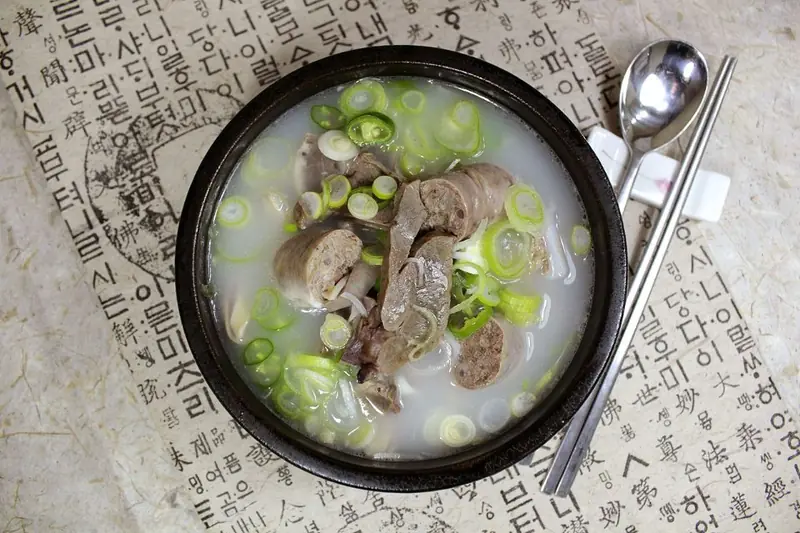
A tiny, decades-old counter near Sindang Station where local regulars, many of them older neighborhood residents, gather for one of the cheapest hot meals left in central Seoul. The room is small and shared seating is normal, which is part of the old-Seoul atmosphere that has made it a minor local legend.
START WITHSundae-gukbap · blood sausage and rice soup
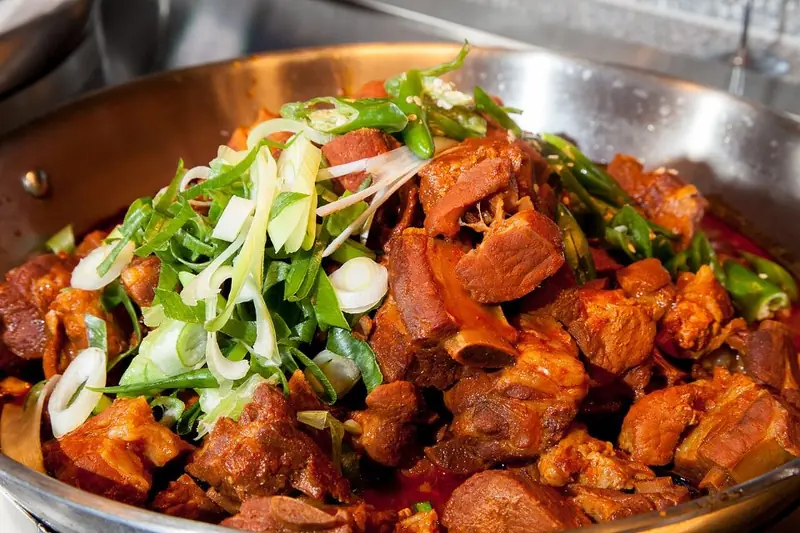
Deoksujeong in Jeong-dong, near City Hall, is listed on DiningCode for ojingeo bokkeum, spicy stir-fried squid, and budae jjigae, army stew. The menu also has soft tofu stew, soybean paste stew, spicy stir-fried pork, grilled Spanish mackerel and fresh pork belly. Reviewers most often call it down-to-earth, lively, generous with portions and a place locals go.
START WITHOjingeo bokkeum and budae jjigae · spicy stir-fried squid and army stew
Widely cited as the original shop of Namdaemun Market's galchi-jorim alley, with decades of history at the same spot. It's a fast meal of cutlassfish bubbling in a spicy-savory sauce over rice, eaten shoulder to shoulder with market regulars.
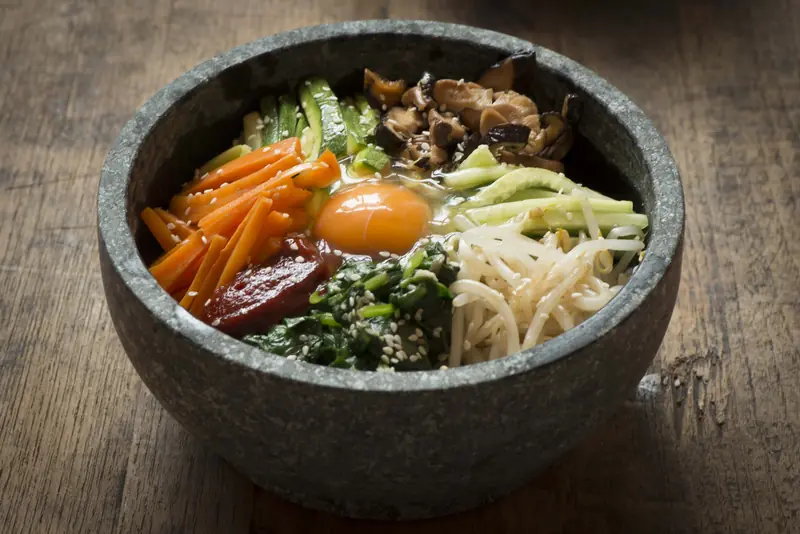
Chamsutgol in Mugyo-dong is listed on DiningCode for dolsot bibimbap and jeyuk dolsot bibimbap. Stone-pot bibimbap runs ₩15,000–17,000 and Korean beef yukhoe bibimbap is ₩10,500, while charcoal-grilled cuts such as kkot-deungsim (₩67,000) and an evening grill set (₩175,000) are also offered; DiningCode reviewers most often describe it as clean, upscale and formal.
START WITHDolsot bibimbap · rice and vegetables in a hot stone pot
Jungang Galchi Sikdang in Namdaemun Market is listed on DiningCode for galchi, hairtail fish, and galchi jorim, hairtail braised in a spicy sauce. The menu also has braised mackerel, assorted grilled fish, grilled Spanish mackerel, salted mackerel, glazed half-dried pollock and cheonggukjang. Reviewers most often call it down-to-earth, lively, casual and good value.
START WITHGalchi jorim · hairtail fish braised in spicy sauce
Jingogae, near Chungmuro Station, is listed on DiningCode for galbi-jjim and eobok-jaengban. The galbi-jjim set is ₩24,000 and the eobok-jaengban, a shared platter of sliced meat in broth, is ₩95,000, alongside galbitang, yukgaejang and naengmyeon; DiningCode reviewers most often call it down-to-earth, casual and popular with locals.
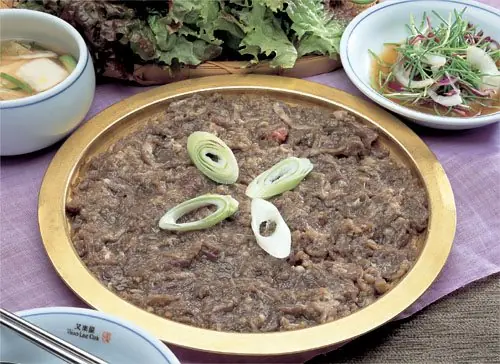
This Myeongdong branch at the foot of Namsan is listed on DiningCode for bibimbap. Bowls range from the house Sanbang bibimbap and gondre soy bibimbap to bulgogi and Korean beef tartare versions, with cheese kimchi pancake, seafood chive pancake and acorn jelly salad to share. Reviewers most often call it clean, casual, good value and pretty.
START WITHBibimbap · rice bowl with vegetables and toppings
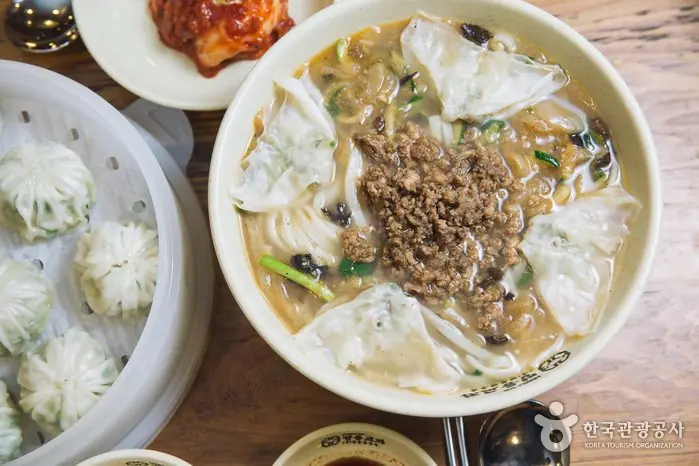
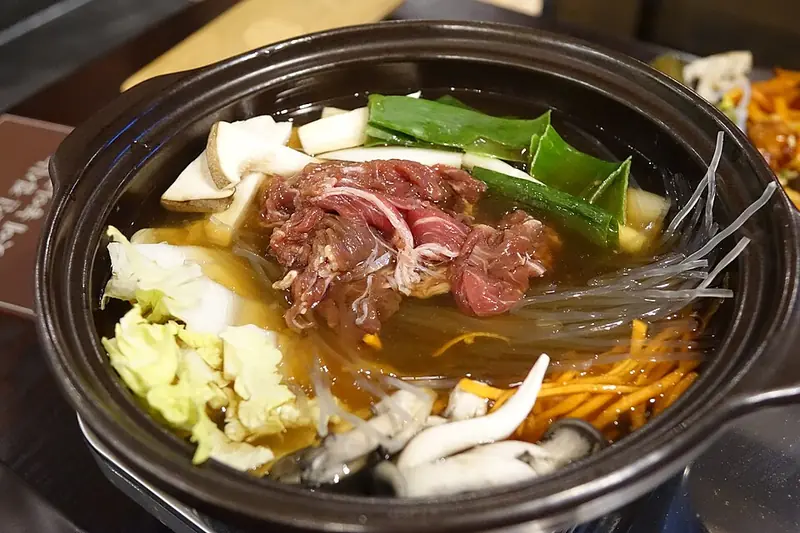
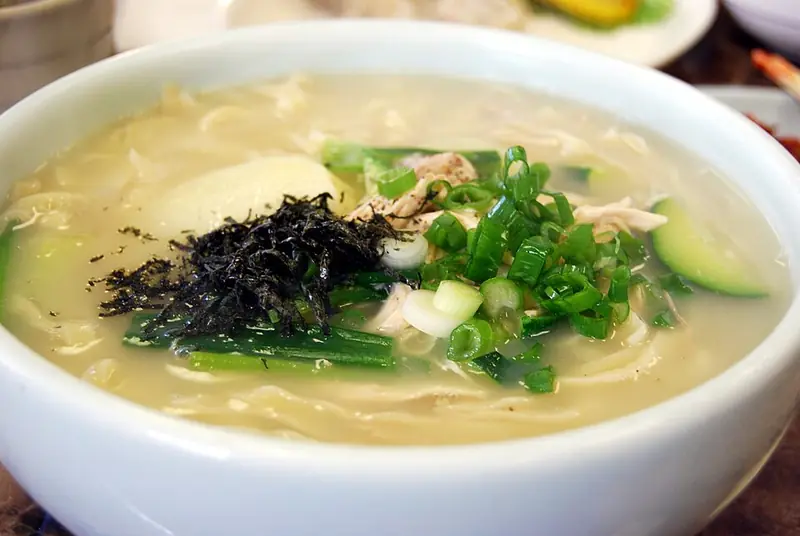
This branch in the Seoul Station building, about 150 m from the station entrance, is listed on DiningCode for kalguksu and shabu kalguksu. The menu also includes clam kalguksu, perilla-oil buckwheat noodles and bibimbap, and reviewers most often call it casual, clean and down-to-earth.
START WITHShabu guksu · noodles with sliced beef cooked in hot broth
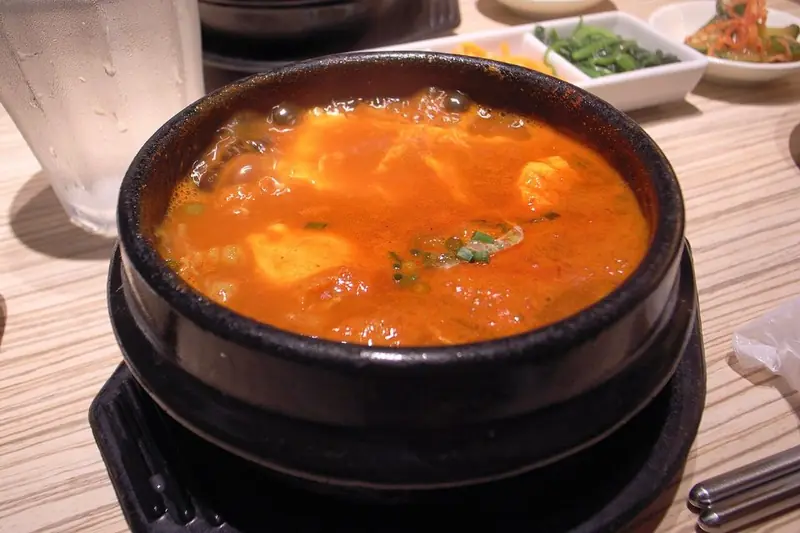
The main branch of Bukchangdong Sundubu is about 150 m from City Hall Station and centres on sundubu jjigae, with house, seafood, beef and beef-tripe versions at ₩11,000–₩12,500, plus grilled set meals. DiningCode reviewers most often describe it as unpretentious, casual, clean and popular with locals.
First time in KoreaGroups & sharingNear the sights
₩12,000 per person
Hours Mon–Fri 11:30–21:00; Sat–Sun 11:30–20:00
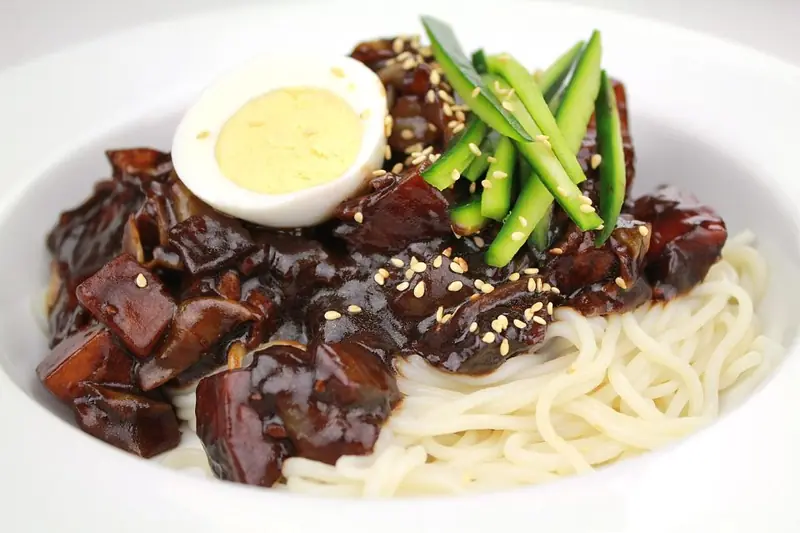
Opened in 1948 and still run by the same Chinese-Korean family three generations later, Andongjang is widely cited as Korea's oldest Chinese restaurant. It sits in the heart of Euljiro's older commercial blocks, a five-minute walk from the neighborhood's famous alley bars, and offers a calmer, sit-down alternative to them.
START WITHJjajangmyeon & gul-jjamppong · black bean noodles and oyster seafood noodle soup
Run by the same family for three generations near Jangchung-dong's cluster of Pyongyang-style noodle houses, this quiet, unadorned dining room serves a clean, restrained broth that Michelin's Seoul guide has repeatedly singled out. It's an easy, filling stop near Dongguk University and Namsan, on the same strip that gave the neighborhood its noodle reputation.
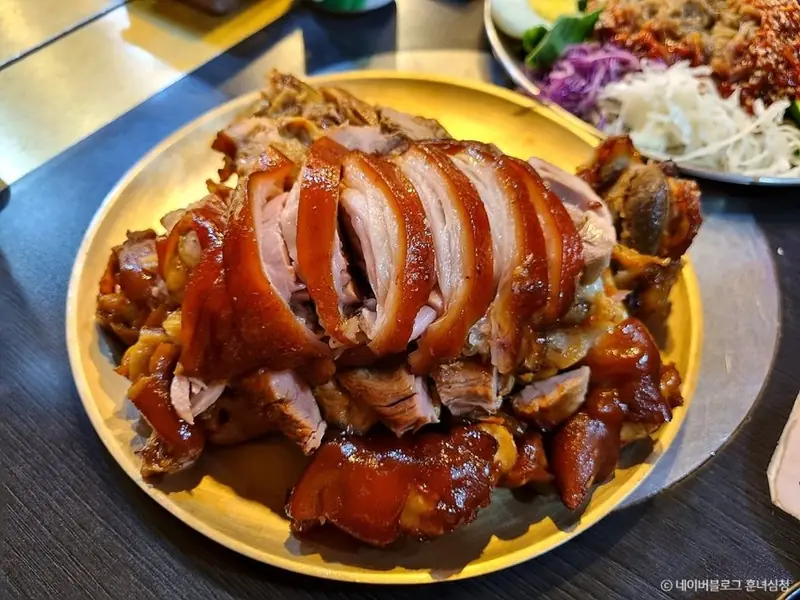
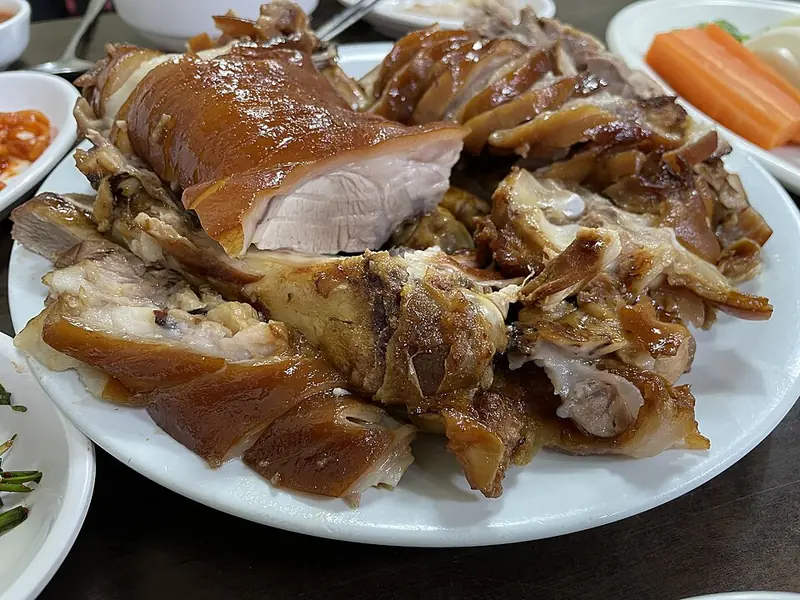
The restaurant traces back to an eatery its founder opened in 1957, part of the original wave of cooks who turned this street into Seoul's best-known jokbal alley. Trotters are simmered in a soy-based broth until the skin turns glossy and tender, then sliced to share.
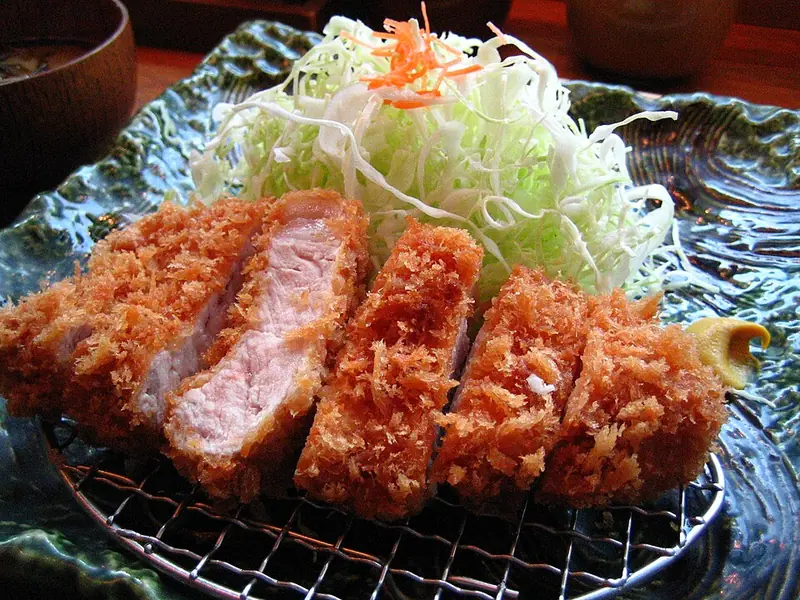
Namsangol Sanchaejip is on the Namsan side of Myeongdong, about 460 m from Myeongdong Station, and is listed on DiningCode for donkatsu and bibimbap. The menu pairs pork cutlets with mountain-vegetable bibimbap, and reviewers most often describe it as lively, casual, down-to-earth and clean.
START WITHNamsan donkkaseu · breaded pork cutlet, made with antibiotic-free pork per the menu
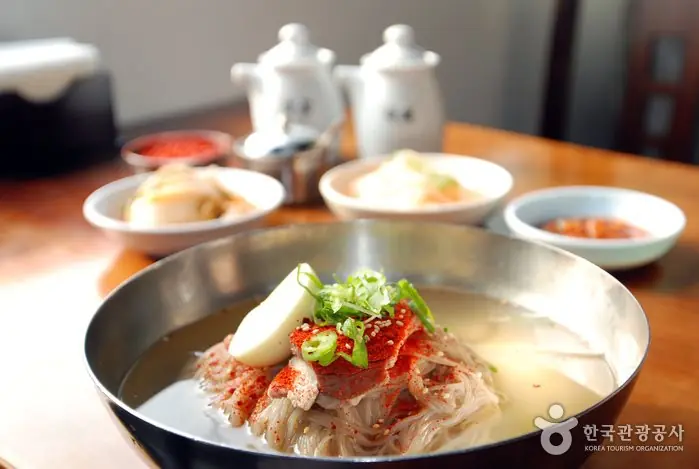
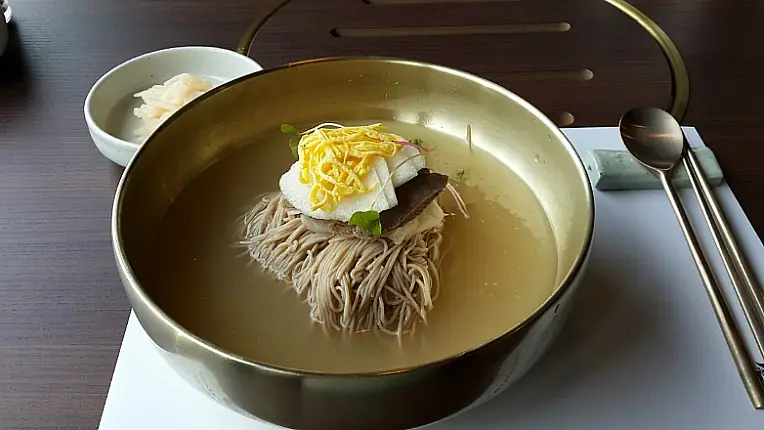
A roughly 45-year-old naengmyeon house near Myeongdong that has held a Michelin Bib Gourmand listing for several years. Its broth leans on dongchimi radish-kimchi brine rather than heavy beef stock, giving it a light, tangy character.
START WITHNaengmyeon & eobok-jaengban · cold buckwheat noodles and a brass platter of sliced beef
Open since 1953 and run by a third generation, this restaurant anchors the Ojang-dong noodle alley founded by cooks who came south from Hamheung during the war. Unlike the milder Pyongyang style, Hamheung naengmyeon is spicier and chewier, often topped with raw fish.
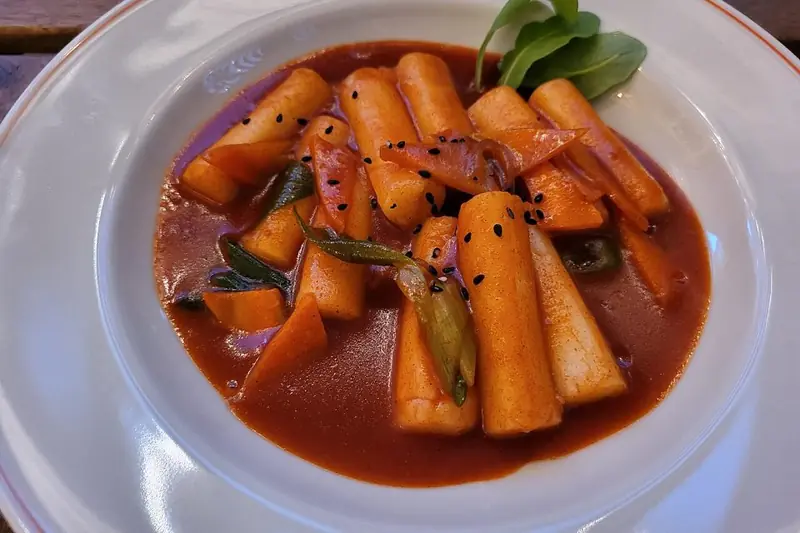
Mabokrim is widely credited as the founder of Sindang-dong's tteokbokki town, selling the spicy rice-cake dish here since the 1950s. The alley is lined with similar shops today, but this is the namesake that gave the neighborhood its identity.