Solo dining in Hongdae, Seoul: 21 places (October 2026)
21 restaurants in the Korea on a Plate guide for solo dining in Hongdae, ranked Monthly 30 first and then by Google rating. Each has hours, a price per person and what to order.
In this guide: Gosami, Mapo-ok, Seogyo Nanmyeonbang, Bapjangin Dwaeji Jjigae (Rice Master Pork Stew) Hongdae branch, Heki.
At a glance: Price per person ₩3,500–₩38,000 (middle ₩12,500). Average Google rating ★4.3. 3 of 21 are open late or 24 hours.
Updated 2026-10-05
Tips before you go
Hongik University station is on Line 2 and the airport railroad (AREX), so it is one train from Incheon Airport.
Soups and noodles come as one-person portions. Barbecue places often ask for at least two portions.
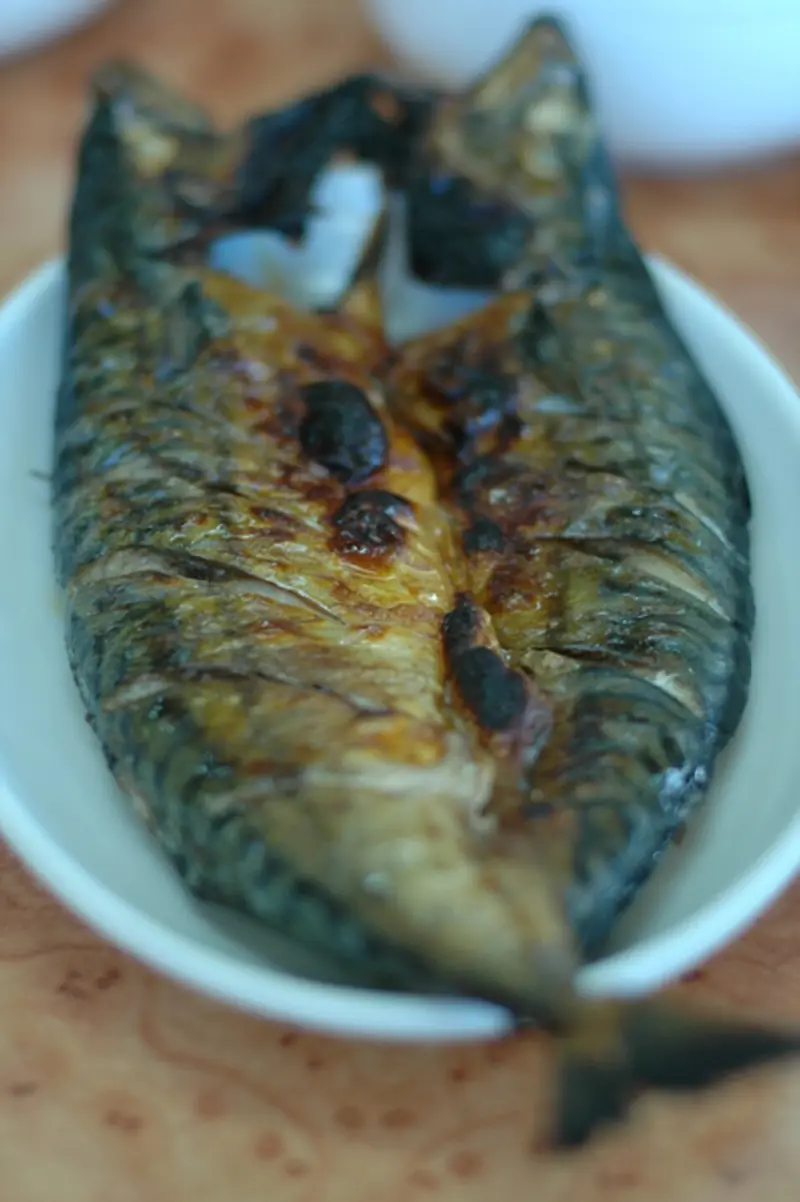
Gosami is a home-style Korean restaurant near Sinchon Station, listed on DiningCode for grilled fish and stir-fried squid. The menu covers grilled mackerel and Spanish mackerel, ojingeo bokkeum, beef bulgogi and two stews at ₩9,000–₩17,000. Reviewers most often describe it as unpretentious, lively, generous and good value.
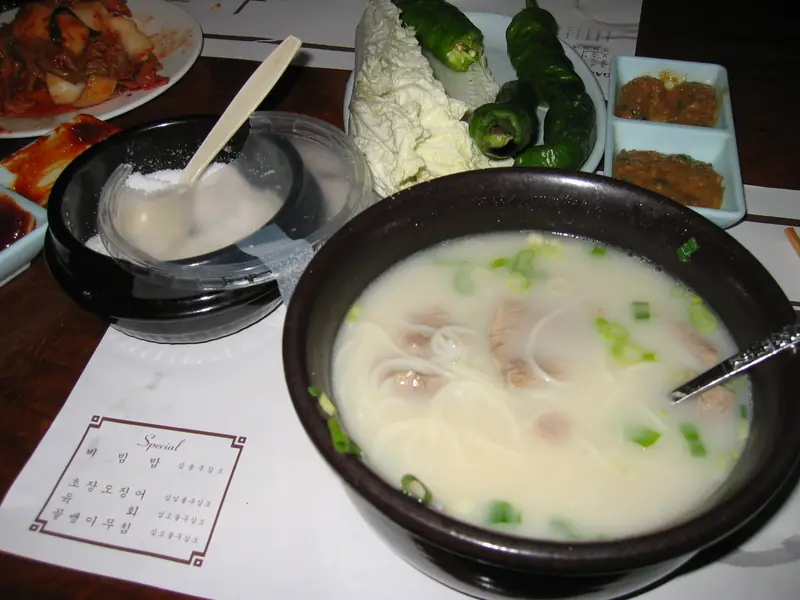
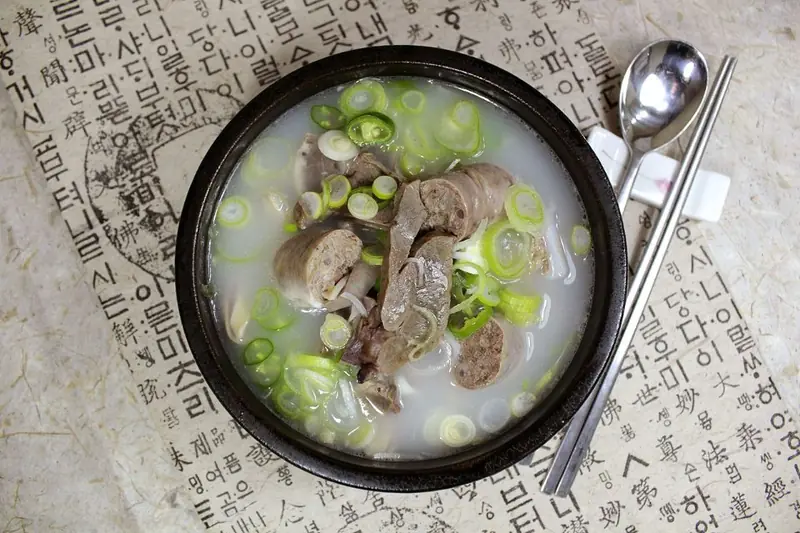
Running since 1949 and now in its third generation, Mapo-ok is regularly named among Seoul's oldest seolleongtang houses. The slow-simmered ox-bone broth is the kind of unfussy, warming meal locals eat any time of day, including breakfast.
A small noodle restaurant holding a Michelin Bib Gourmand in the Seoul selection. The kitchen builds Korean noodle bowls with some Italian technique, and the menu changes with the season, turning cold in summer and to an ox-head broth in winter. There are only a few tables.
Bapjangin Dwaeji Jjigae's Hongdae branch, about 140 m from Hongik University Station, serves pork stews: jjageuli, pork kimchi stew, soft tofu with potato and soft tofu with brisket, plus bulgogi, stir-fried squid and Spam sets for one or two. DiningCode reviewers most often call it unpretentious, generous and good value.
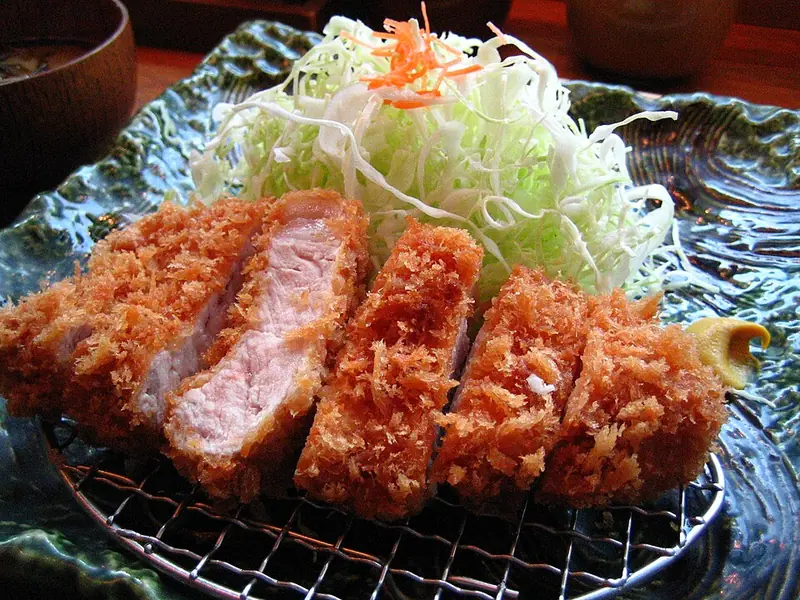
A small katsu shop in the residential streets above Mangwon Market, frying pork fillet to order and serving it as a set with rice and soup. It is one of the highest-rated katsu addresses in Mapo-gu on Korean review sites. The room is small and the kitchen works slowly, which is why the waits run long.
START WITHHire katsu set · pork fillet cutlet with rice and soup
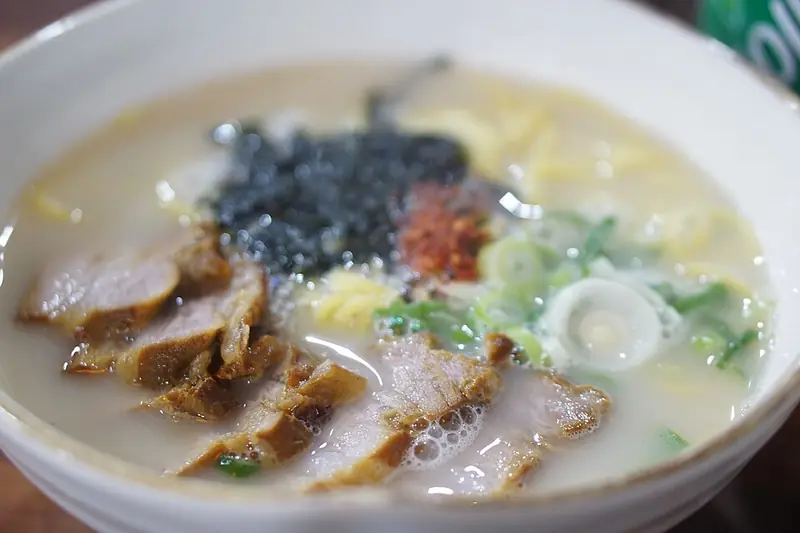
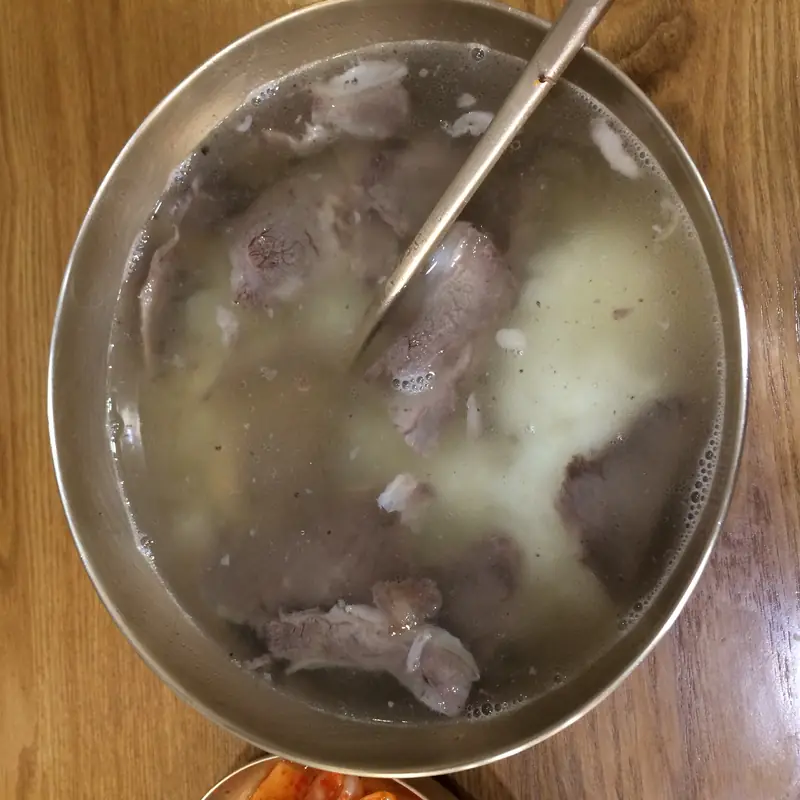
A counter-only shop that serves one dish: a clear broth made from Berkshire pork, poured over rice and topped with thin slices of pork loin. It has held a Michelin Bib Gourmand in the Seoul guide for several years. There are about ten seats and no reservations.
START WITHDwaeji-gomtang · clear pork broth over rice
A small Chinese noodle bar on the Yonsei University street behind Sinchon Station, listed as a Michelin Bib Gourmand address. The menu is short: beef noodle soups in a red-braised or clear broth, plus a few side plates. Most seating is at a bar facing the open kitchen, which suits eating alone.
A plain Korean soup house on a side street between Hongik University Station and Hapjeong. The single-bowl haejangguk, a beef and cabbage soup served with rice, is the lunchtime order, while the tripe and boiled pork hotpots are what evening groups share. It gets a queue at lunch.
START WITHHaejangguk · beef and cabbage hangover soup
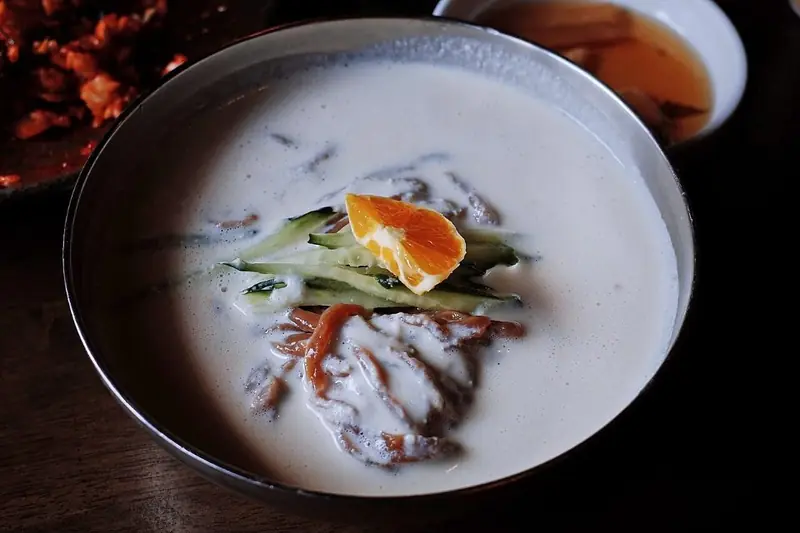
Kongcheongdae is a Hapjeong restaurant listed on DiningCode for kongguksu and cheonggukjang sundubu. The menu centres on soybean dishes: kongguksu (₩13,000), soft tofu stews and kongbiji-jjigae at ₩10,000–11,000, and a boiled-pork set (₩15,000); DiningCode reviewers most often call it popular with locals, down-to-earth and clean.
START WITHKongguksu · noodles in cold soybean broth
Gonaengji is a Sinchon diner listed on DiningCode for kimchi-jjigae and bossam. The menu runs from kimchi-jjigae (₩9,000) and rolled omelette to a Gonaengji set meal (₩16,000) and a bossam platter (₩35,000), and DiningCode reviewers most often call it down-to-earth, good value and generous.
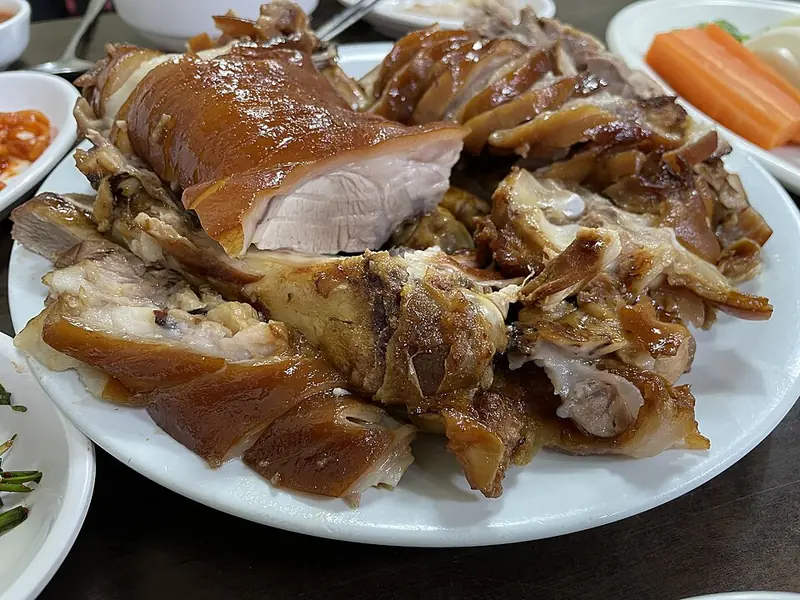
Gaksi Bossam near Hapjeong Station is listed on DiningCode for bossam and the bossam set meal. Plates come half-and-half in medium and large sizes, with oyster bossam, fresh oysters and kimchi bossam, plus jaengban guksu, a platter of cold spicy noodles. Reviewers most often call it lively, down-to-earth, good value and generous with portions.
START WITHBossam · boiled pork slices wrapped with kimchi and greens
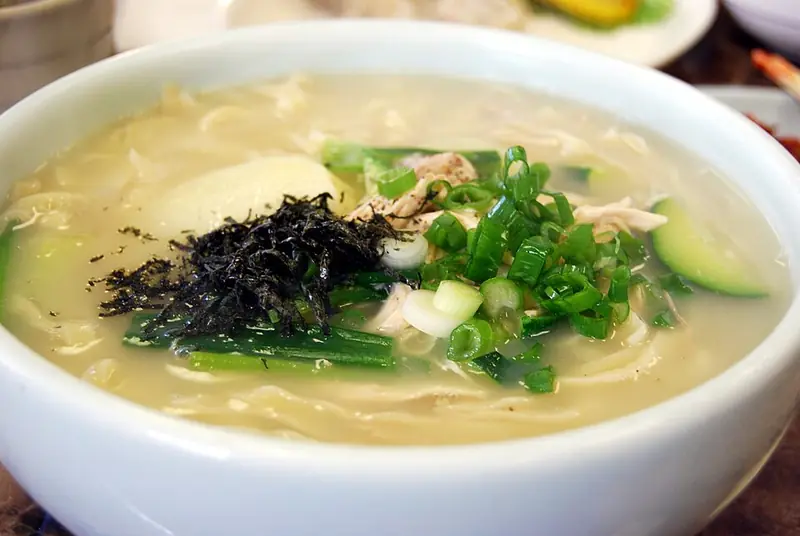
A kalguksu shop on the main Yeonnam-dong road that makes several broths from the same hand-cut noodle: clam, chicken, and a beef and fernbrake version. The room is clean and modern rather than old-fashioned, and eating alone is normal. Last orders are at 20:30.
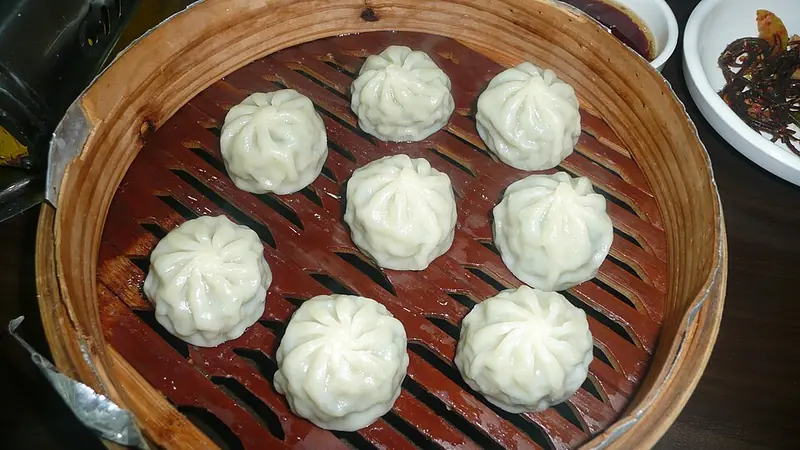
A dumpling stall inside Mangwon Market making large thin-skinned mandu on the premises and selling them the same day. There are two fillings, pork and kimchi, and you can mix them. It is takeaway only, which is how most of Mangwon Market is eaten.
START WITHWang-mandu · large thin-skinned dumplings
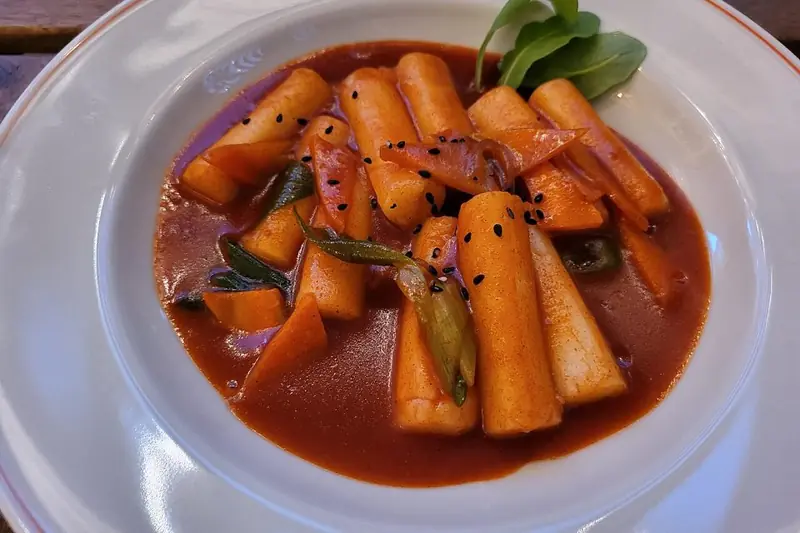
A well-known Hongdae street-food stall with cheeky 'gangster' branding, serving the fiery rice-cake dish at the heart of Korean snack culture. It's a cheap, fast meal that fits naturally into a night out around the neighborhood.
A Korean set-meal restaurant in Hongdae where each order pairs seasonal pot rice (sotbap) with a main such as stir-fried pork with wraps, grilled mackerel or Spanish mackerel, deodeok root, smoked duck or braised beef short ribs. DiningCode reviewers most often describe it as clean, somewhat formal, generous and quiet.
START WITHGyejeol Sotbap · seasonal pot rice with a main side
Open since the early 1970s a block from Yonsei and Ewha, this tiny diner earned its dish's nickname — "tear-gas ramyeon" — during the 1980s pro-democracy protests, when students ducking police tear gas would warm up here with a bowl hot enough to make their eyes water all over again. Old photos and graffiti from that era still line the walls, a rare surviving trace of Sinchon's student-movement history amid the neighborhood's newer chains and cafes.
START WITHHaejang-ramyeon · spicy clam and chili hangover ramyeon
A Michelin Bib Gourmand pick for seven years running, this second-floor dining room near Hapjeong station serves a milky, slow-simmered beef broth that is deceptively simple and consistently well made. It makes an easy, filling stop between the cafes of nearby Mangwon and Yeonnam-dong.
START WITHGomtang · milky beef bone and brisket soup
A counter stall in the Mapo tteokbokki lane, a short row of snack shops near Mapo Station that have traded for decades. The menu is the standard set of rice cakes, blood sausage, seaweed rice rolls and fritters, sold by the plate at prices that have barely moved. Most people eat standing or take it away.
A gisa sikdang, the kind of canteen built for taxi drivers, serving single-plate meals with rice, soup and side dishes around the clock. The pork bulgogi, cooked on a hot plate in a sweet and spicy marinade, is what most people order. It sits on the quieter northern edge of Yeonnam-dong.
START WITHDwaeji-bulgogi · spicy grilled pork with rice
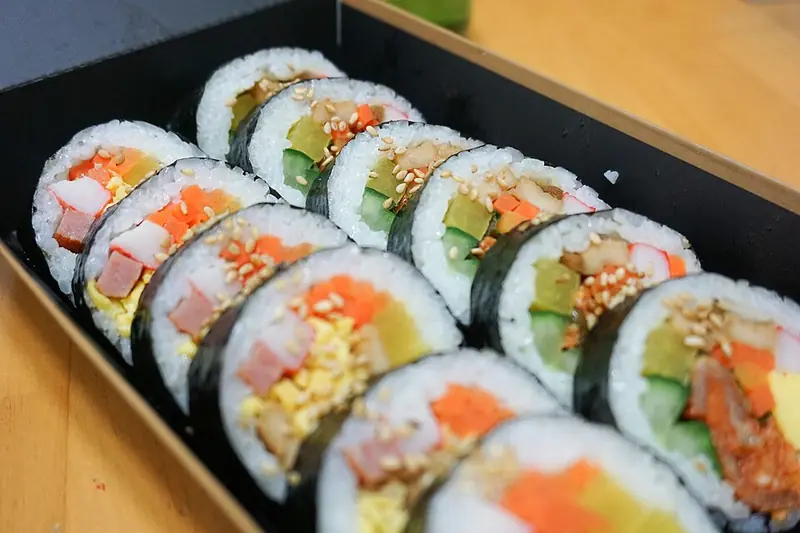
A small gimbap counter in Yeonnam-dong that rolls each order when you ask rather than keeping trays ready. Alongside the standard rolls it makes low-carb versions that replace most of the rice with egg and vegetables. Almost everyone eats alone or takes the rolls away.
START WITHGimbap · seaweed rice rolls cut to order
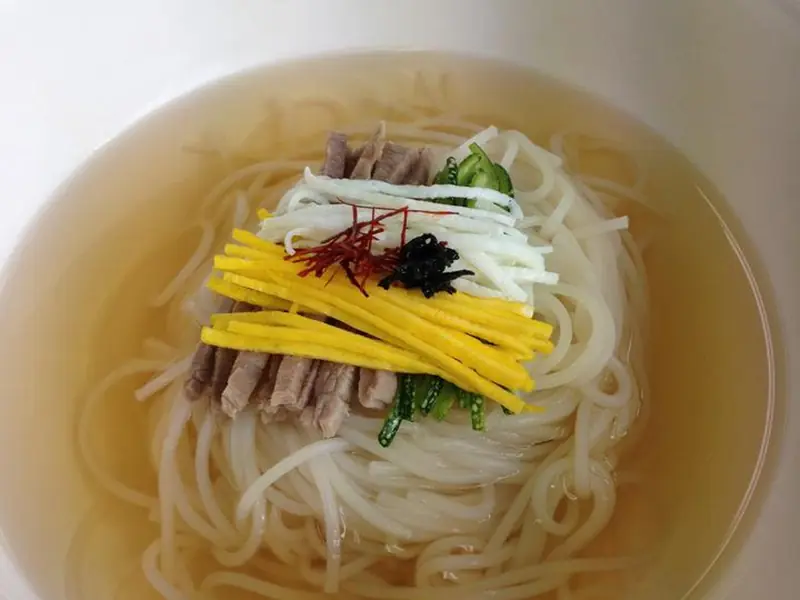
A late-opening noodle and boiled-meat place a minute from Hongik University Station exit 3, serving until four in the morning six nights a week. The noodles are cheap and plain; the larger plates of boiled beef knuckle and pork head are what the drinking tables order. The front folds open in warm weather.
START WITHJanchi-guksu · thin noodles in warm anchovy broth
Every place is in the Korea on a Plate guide, written by an editor who runs four restaurants in Seoul. The list is filtered from published hours, prices and tags; nobody pays to be listed.